Shopping Cart

x 2

Light Blue Denim Dress
$24.99
x 3
$114.95
View Cart

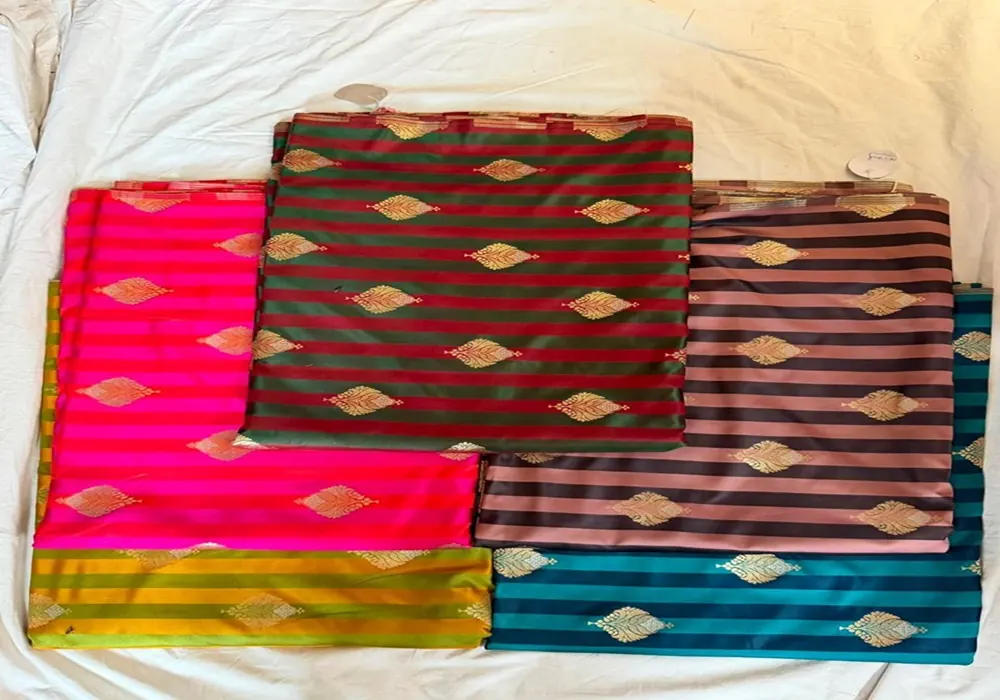
Not every silk fabric on the market is 100% pure silk, and that’s not necessarily a downside , silk blends serve genuine, practical purposes when chosen correctly for the right garment and budget. Pure silk, woven entirely from natural mulberry silk yarn, offers the richest sheen, the most authentic drape, and the best longevity when properly cared for. It’s the standard choice for premium garments like sherwanis, formal kurtas, and statement pieces where appearance and prestige matter most, and where the higher price point reflects genuine material and craftsmanship value. Silk blends , commonly silk combined with cotton, viscose, or polyester , bring different advantages. Cotton-silk blends improve breathability and reduce cost, making them popular for semi-formal or daily-wear ethnic pieces where comfort matters as much as appearance. Viscose-silk blends can mimic pure silk’s sheen at a more accessible price, useful for boutiques building budget-tier collections alongside premium ranges. The trade-off with blends is generally durability and authenticity of drape. Blended fabrics tend to lose their lustre faster, may pill or wear thin sooner, and rarely replicate the specific way pure silk catches light , something experienced buyers and tailors can usually identify at a glance. For designers and retailers, the smart approach is offering both tiers deliberately rather than blurring the line. Clearly labeling pure silk versus blend products builds customer trust and avoids the disappointment of a buyer expecting heirloom-quality silk receiving a blended substitute. At Choubey Silk, our core specialization is pure Banarasi silk, and we’re transparent with every client about exactly what composition they’re purchasing , because in fine textiles, trust matters as much as the thread count.