Shopping Cart

x 2

Light Blue Denim Dress
$24.99
x 3
$114.95
View Cart

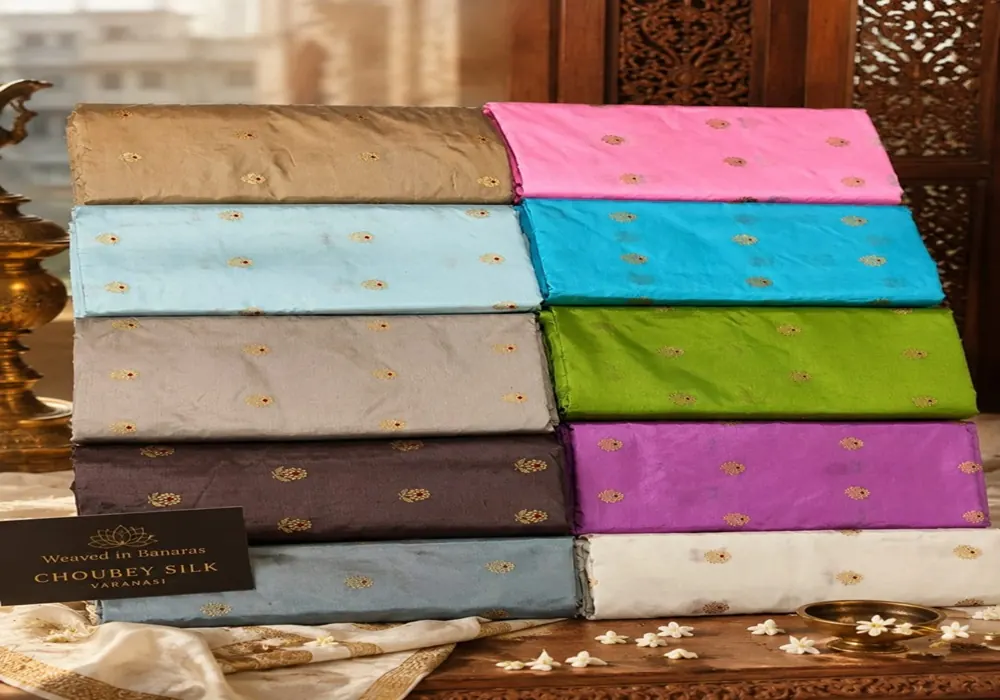
For international boutiques and retailers, sourcing Banarasi brocade directly from Varanasi rather than through intermediaries can significantly improve both authenticity and margins , but it requires knowing what to ask for. Start by confirming whether the exporter works with handloom artisans directly or sources through multiple subcontracted weavers, since this affects consistency across bulk orders. Always request fabric specifications in writing: zari type (pure, tested, or synthetic), GSM range, fibre composition, and whether the weave is handloom or powerloom. These details matter for customs documentation as well as for setting accurate retail pricing once the fabric reaches your market. Minimum order quantities (MOQs) vary widely between Varanasi exporters, so clarify this early, along with production lead times , handwoven brocade, particularly intricate pieces like Rangkat or Kimkhab, can take significantly longer than standard jacquard. Ask for fabric swatches before committing to bulk orders, and verify that swatches match what’s ultimately shipped. Shipping and logistics experience also matters. An exporter with an established track record of international shipping to North America, Europe, or the Middle East will typically handle documentation, packaging, and customs more smoothly than a domestic-only supplier new to export. Finally, build a relationship rather than a one-off transaction. Established Varanasi exporters who’ve served 100+ retail partners over decades are generally more reliable for repeat seasonal orders, consistent quality, and flexibility on custom colourways or motifs. Choubey Silk has supplied authentic Banarasi brocade and jacquard fabric to retail partners across India, North America, Europe, and the Middle East, combining decades of weaving heritage with export-ready reliability.