Shopping Cart

x 2

Light Blue Denim Dress
$24.99
x 3
$114.95
View Cart

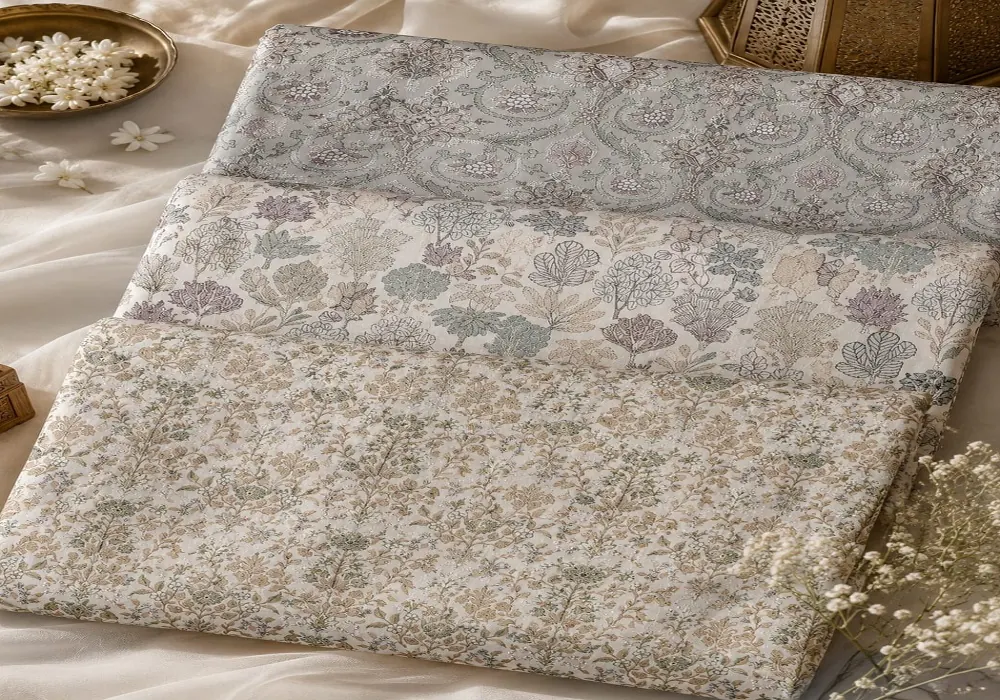
Introduction Banarasi Brocade Fabric is one of India’s most prestigious textile creations. Renowned for its intricate weaving, luxurious texture, and royal appearance, it has become a preferred fabric for men’s sherwanis, kurtas, jackets, and Indo-Western outfits. However, with the increasing popularity of Banarasi textiles, the market is flooded with imitation fabrics that closely resemble authentic Banarasi Brocade. For retailers, designers, wholesalers, and garment manufacturers, identifying genuine Banarasi Brocade Fabric is essential to ensure quality, customer satisfaction, and long-term value. Understanding the key characteristics of authentic brocade can help buyers make informed purchasing decisions and avoid counterfeit products. What is Banarasi Brocade Fabric? Banarasi Brocade is a richly decorative woven fabric traditionally produced in Varanasi. The fabric is characterized by intricate patterns woven directly into the material using silk threads and metallic zari. Unlike printed fabrics, the designs in genuine brocade are part of the weaving process itself, making them more durable and luxurious. The fabric is widely used in premium ethnic menswear because of its elegant appearance and ability to create garments suitable for weddings, festivals, and formal occasions. Check the Weaving Quality One of the easiest ways to identify authentic Banarasi Brocade is by examining the weave. Genuine Banarasi fabrics feature highly detailed and precise motifs. Floral patterns, paisleys, geometric designs, and Mughal-inspired artwork appear sharp and well-defined. Imitation fabrics often have uneven weaving, inconsistent patterns, or printed designs that lack depth and texture. Examine the Reverse Side Authentic Banarasi Brocade usually reveals floating threads and weaving details on the reverse side. Since the motifs are woven into the fabric rather than printed, the back side often displays evidence of the weaving process. If the reverse side looks identical to the front or resembles a printed pattern, the fabric may not be genuine. Feel the Texture Original Banarasi Brocade possesses a rich and luxurious texture. The fabric feels substantial yet smooth to the touch. Pure silk-based brocade offers a natural softness and elegance that synthetic alternatives struggle to replicate. Counterfeit fabrics often feel overly stiff, excessively slippery, or unnaturally shiny. Evaluate the Zari Work Traditional Banarasi Brocade frequently incorporates zari work. Genuine zari weaving creates a subtle metallic sheen that enhances the fabric’s luxurious appeal. Modern imitations may use low-quality metallic yarns that appear overly bright or plastic-like. Authentic zari work tends to look refined rather than flashy. Observe the Weight and Drape Genuine Banarasi Brocade has an excellent drape and moderate weight. The fabric falls gracefully while maintaining structure, making it ideal for sherwanis and jackets. Inferior fabrics often lack the balance between softness and structure, resulting in garments that appear less premium. Source from Trusted Manufacturers Perhaps the most important factor is purchasing directly from reputable Banarasi fabric manufacturers. Established suppliers in Varanasi maintain quality standards and provide authentic products woven by experienced artisans. Working with trusted manufacturers helps retailers and designers access genuine fabrics while reducing the risk of counterfeit purchases. Why Choubey Silk is a Trusted Source Choubey Silk specializes in premium Banarasi Brocade, Katan Silk, Jacquard, Chiniya Silk, and designer fabrics for men’s ethnic wear. Our collection is crafted by skilled artisans and designed specifically for kurtas, sherwanis, jackets, and Indo-Western garments. Conclusion Authentic Banarasi Brocade Fabric is a valuable investment that reflects centuries of craftsmanship and textile heritage. By examining weaving quality, texture, zari work, and sourcing practices, buyers can confidently identify genuine fabrics and create garments that stand out in the competitive ethnic wear market.