Shopping Cart

x 2

Light Blue Denim Dress
$24.99
x 3
$114.95
View Cart
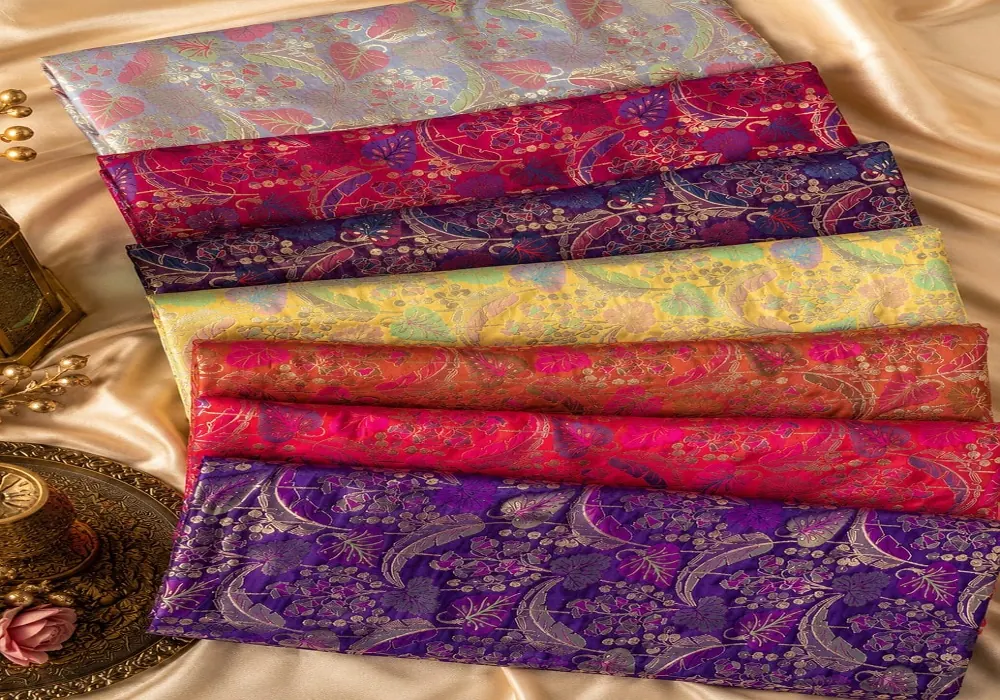
Introduction Few fabrics in the world carry the prestige and cultural significance of Banarasi Silk. Revered for its intricate craftsmanship, luxurious texture, and timeless elegance, Banarasi Silk has become a symbol of India’s rich textile heritage. But behind every meter of premium fabric lies a fascinating journey involving skilled artisans, traditional weaving techniques, and generations of expertise. Understanding how Banarasi Silk is made helps buyers appreciate the craftsmanship that transforms simple silk threads into luxurious fabrics used in kurtas, sherwanis, jackets, and Indo-Western garments. Step 1: Sourcing Quality Silk The process begins with the selection of high-quality silk yarn. Manufacturers carefully choose silk fibers based on: Strength Smoothness Uniformity Natural sheen The quality of raw silk directly influences the final fabric’s appearance and durability. Step 2: Preparing the Yarn Once the silk yarn is sourced, it undergoes preparation processes that improve consistency and weaving performance. This stage may involve: Cleaning Twisting Dyeing Strengthening Proper preparation ensures the yarn performs efficiently during weaving. Step 3: Designing the Pattern Before weaving begins, designers create detailed patterns that will appear on the fabric. Popular Banarasi motifs include: Floral designs Paisley patterns Mughal-inspired artwork Geometric textures Contemporary jacquard motifs These designs form the blueprint for the weaving process. Step 4: Setting Up the Loom The loom is prepared with great precision. Artisans carefully arrange: Warp threads Weft threads Pattern controls Design mechanisms Setting up a loom can take several days depending on the complexity of the design. Step 5: The Weaving Process This is where artistry truly comes to life. Skilled weavers interlace silk threads to create intricate patterns directly within the fabric. Unlike printed textiles, Banarasi motifs become part of the weave itself. This technique produces: Rich texture Superior durability Luxurious appearance Intricate detailing The weaving stage requires immense patience and expertise. Step 6: Adding Brocade and Decorative Elements For premium fabrics, artisans incorporate: Zari work Brocade motifs Metallic accents Textured patterns These elements enhance the richness and exclusivity of the fabric. Step 7: Quality Inspection After weaving is completed, the fabric undergoes rigorous quality checks. Inspectors examine: Pattern accuracy Weaving consistency Fabric strength Color quality Surface finish Only fabrics meeting strict standards proceed to the next stage. Step 8: Finishing and Enhancement The finished fabric is carefully processed to improve: Texture Softness Appearance Durability These finishing touches give Banarasi Silk its signature elegance. Why Banarasi Silk is Ideal for Men’s Ethnic Wear Banarasi Silk offers qualities that make it perfect for: Sherwanis Kurtas Jackets Indo-Western Garments Its luxurious texture and sophisticated appearance create garments suitable for weddings, festivals, and formal occasions. The Role of Varanasi’s Artisans The true strength of Banarasi Silk lies in its artisans. Their knowledge, creativity, and dedication preserve one of India’s most celebrated textile traditions. Every woven motif reflects years of training and generations of expertise. Why Choose Choubey Silk At Choubey Silk, we proudly continue the tradition of premium Banarasi weaving by offering authentic fabrics designed specifically for men’s ethnic fashion. Conclusion The journey of Banarasi Silk from loom to luxury is a testament to craftsmanship, tradition, and innovation. Every fabric tells a story of artistry and dedication, making Banarasi Silk one of the most treasured materials in luxury menswear.