Shopping Cart

x 2

Light Blue Denim Dress
$24.99
x 3
$114.95
View Cart
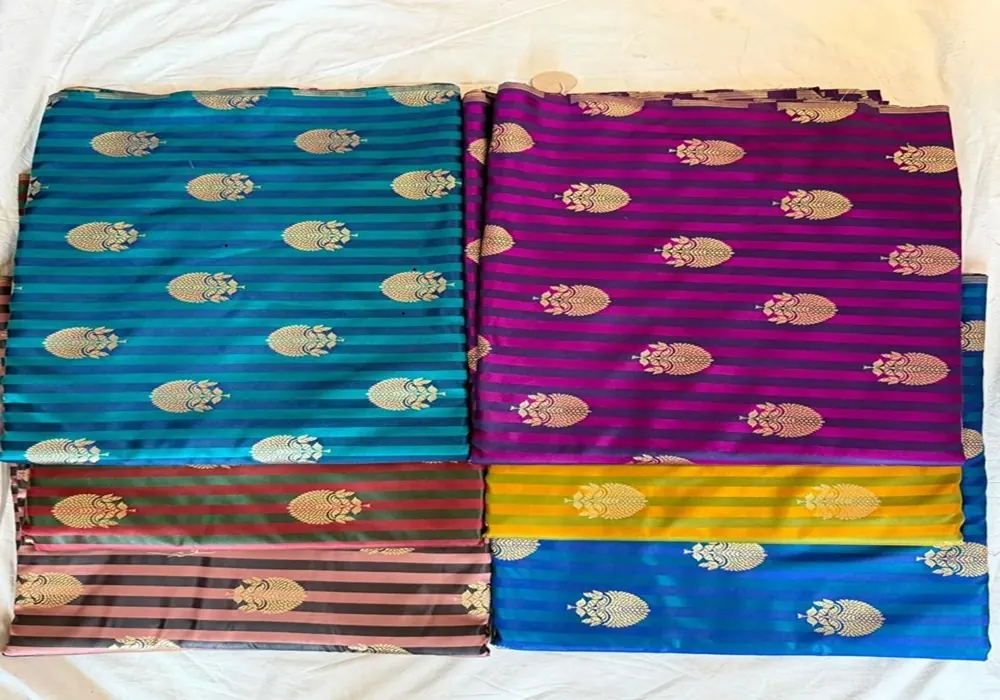
Varanasi’s status as India’s silk weaving capital isn’t accidental , it’s the result of geography, trade history, and generations of accumulated skill converging in one city. While silk itself isn’t grown locally (raw silk traditionally arrived via trade routes from regions like Bengal, Karnataka, and historically from China via the Silk Road), Varanasi became the place where that raw material was transformed into something extraordinary. The Ganga’s proximity made Varanasi a natural trading and transport hub for centuries, connecting weavers to both raw material suppliers and buyers across the subcontinent. Royal patronage, particularly during the Mughal era, accelerated this further , emperors and nobility demanded increasingly elaborate brocades, pushing weavers to develop the intricate zari and jacquard techniques that define Banarasi silk today. What truly sustained the craft, though, is the community structure. Weaving in Varanasi has historically been a family trade, passed down through generations within specific neighborhoods, with each family often specializing in particular techniques , some in Katan, others in Kimkhab or Jamawar. This concentrated, generational expertise is something that’s extremely difficult to replicate elsewhere, even with modern machinery. The city’s recognition as a Geographical Indication (GI) tag holder for “Banaras Brocades and Sarees” further cemented its legal and cultural status as the authentic source of this craft, distinguishing genuine Banarasi weaves from imitations produced in other regions. At Choubey Silk, operating from the heart of this living tradition since the 1980s means our fabrics carry not just a label, but lineage , connecting today’s designers and retailers directly to one of India’s oldest and most respected textile traditions.