Shopping Cart

x 2

Light Blue Denim Dress
$24.99
x 3
$114.95
View Cart

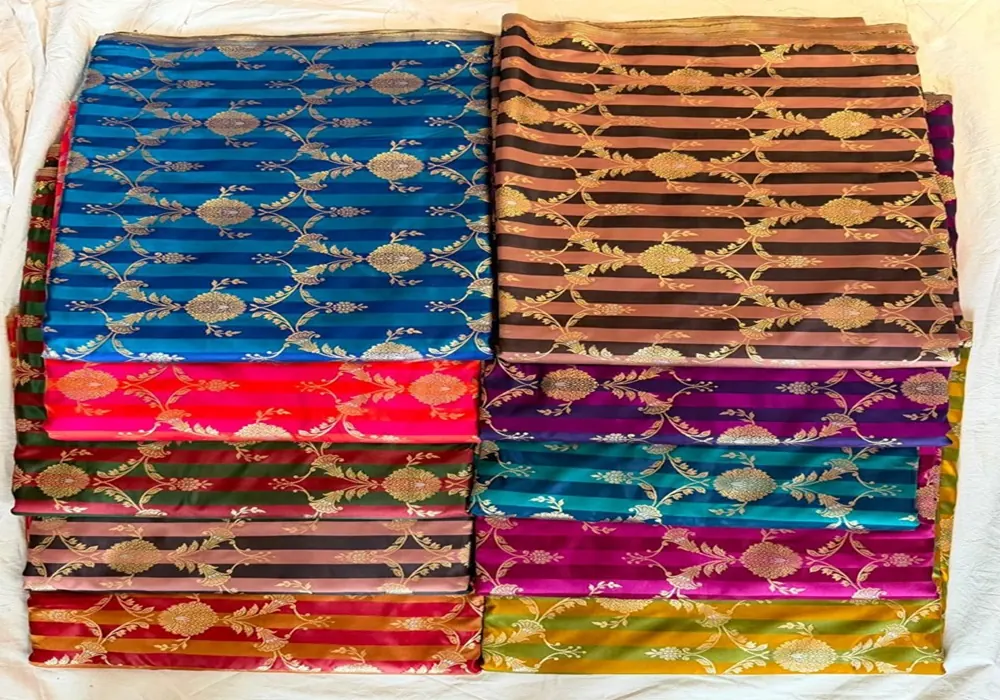
Despite its popularity, Banarasi silk is surrounded by a surprising number of myths that often lead buyers to make less-informed purchasing decisions. Let’s clear up a few of the most persistent ones. Myth one: all Banarasi silk is handwoven. In reality, both handloom and powerloom Banarasi silk exist in the market, and powerloom production has increased significantly to meet demand. Neither is inherently “fake,” but handloom carries higher craftsmanship value and typically costs more , buyers should know which they’re purchasing rather than assuming. Myth two: heavier fabric always means higher quality. Weight in silk often comes from zari density, not silk purity. A lightweight Katan silk fabric can be entirely pure and high-quality while weighing far less than a synthetic-blend fabric padded with imitation zari. Myth three: Banarasi silk is only suitable for weddings and festive wear. As covered in our seasonal fabric guide, the range within Banarasi silk , from light Chiniya silk to structured jacquard , extends well beyond formal occasions into contemporary Indo-western and even smart-casual ethnic fashion. Myth four: silk requires excessively complicated, expensive care. While silk does need gentle handling, basic precautions like dry cleaning and proper storage are neither difficult nor costly relative to the fabric’s lifespan and value retention. Myth five: cheaper silk is simply a “better deal.” Given the labor and material costs involved in genuine Banarasi weaving, prices significantly below market norms almost always indicate compromised silk content, synthetic zari, or machine-printed patterns disguised as woven motifs. At Choubey Silk, we believe informed buyers make better long-term customers , which is why education around fabric quality remains central to how we engage with both retail and wholesale clients.