
In the world of premium men’s fashion, a designer jacket is much more than an additional layer of clothing. It represents sophistication, individuality, craftsmanship and personal style.
From elegant Nehru jackets and structured bandhgalas to luxurious wedding jackets and contemporary Indo-Western designs, jackets have become an essential part of modern men’s ethnic fashion.
However, the beauty and quality of a designer jacket depend heavily on one important factor: the fabric used to create it.
The right fabric enhances the garment’s structure, drape, comfort and visual appeal. It can transform a simple jacket design into a premium fashion statement suitable for weddings, festivals, receptions and formal celebrations.
Among the many fabric options available, Banarasi jacquard, brocade, silk, raw silk and textured woven fabrics are particularly suitable for luxury men’s designer jackets.
These textiles offer different combinations of pattern, texture, sheen and structure, allowing designers to create garments ranging from traditional ethnic jackets to sophisticated contemporary silhouettes.
Varanasi, also known as Banaras, is widely recognised for its rich textile heritage and decorative weaving traditions.
Choubey Silk, based in Varanasi, India, focuses on premium fabrics for men’s kurtas, sherwanis, Indo-Western outfits and designer jackets.
In this comprehensive guide, we explain how to choose the best fabric for designer jackets, compare different textile options, explore modern design trends and discuss the important factors that designers, boutiques and garment manufacturers should consider before selecting jacket fabrics.
1. Why Fabric Selection Is Important for Designer Jackets
Fabric is the foundation of every well-designed jacket.
Even an attractive garment design may fail to achieve the desired appearance if the fabric does not provide the appropriate structure, drape or texture.
For premium men’s jackets, fabric selection influences several important characteristics.
Structure and Silhouette
A structured bandhgala requires fabric that can maintain its shape.
A relaxed Indo-Western jacket may benefit from a softer construction.
Selecting fabric according to the intended silhouette is essential.
Comfort and Wearability
Designer jackets are often worn during weddings, festivals and formal events.
Comfort depends on fabric weight, breathability, lining and garment construction.
Visual Appearance
Decorative jacquard and brocade fabrics can provide intricate woven patterns that enhance the jacket’s appearance.
Plain silk and textured fabrics offer alternatives for minimalist designs.
Durability and Performance
Fabric construction influences resistance to abrasion, seam stress and general wear.
The right fabric should be appropriate for the expected use of the garment.
Tailoring Compatibility
Some fabrics are easier to cut, stitch and shape than others.
Decorative woven fabrics may require additional care during cutting and seam construction.
For professional garment manufacturers, choosing the correct textile can improve both garment quality and production efficiency.
2. Understanding Different Types of Men’s Designer Jackets
Before selecting fabric, it is important to understand the jacket’s intended style.
Different silhouettes require different textile characteristics.
Nehru Jackets
Nehru jackets are sleeveless, typically hip-length garments with a distinctive standing collar.
They are commonly paired with kurtas, shirts and trousers.
Suitable fabrics include Banarasi jacquard, brocade and appropriately structured silk blends.
Bandhgala Jackets
Bandhgalas are formal jackets featuring a closed neckline and tailored silhouette.
They require careful attention to fabric structure and fit.
Jacquard, brocade and suitable raw silk constructions can be considered.
Indo-Western Jackets
Indo-Western jackets combine traditional Indian design elements with contemporary tailoring.
They may feature asymmetric closures, experimental cuts or layered silhouettes.
Geometric jacquard, textured silk and decorative brocade can complement these designs.
Wedding Jackets
Wedding jackets often incorporate rich textures, ornamental motifs and luxurious fabrics.
Brocade and decorative jacquard are particularly suitable for ceremonial garments.
Contemporary Ethnic Blazers
Ethnic-inspired blazers combine Western tailoring with Indian textile patterns.
Subtle jacquard, tonal brocade and textured silk can provide a refined appearance.
Understanding the garment category helps determine the appropriate fabric weight, pattern scale and construction.
3. Banarasi Jacquard Fabric: A Versatile Choice for Designer Jackets
Banarasi jacquard is one of the most versatile options for premium men’s jackets.
Jacquard weaving allows intricate patterns to be incorporated directly into the fabric structure.
Unlike printed designs, jacquard motifs are created through the arrangement of yarns during weaving.
This gives the textile distinctive texture and visual depth.
Why Choose Banarasi Jacquard?
Intricate woven designs: Jacquard fabrics can feature floral motifs, geometric patterns, stripes, checks and traditional butas.
Premium appearance: Decorative woven patterns can enhance the visual appeal of a designer jacket.
Design versatility: Jacquard can be adapted for Nehru jackets, bandhgalas, Indo-Western jackets and formal ethnic outerwear.
Variety of constructions: Different jacquard fabrics offer different levels of weight, structure and flexibility.
Popular Jacquard Patterns for Jackets
Geometric jacquard: Modern patterns such as diamonds, hexagons and abstract shapes complement contemporary tailoring.
Self-design jacquard: Subtle tonal patterns create an understated luxury appearance.
Floral jacquard: Small floral motifs work well for festive and wedding jackets.
Striped jacquard: Woven stripes can enhance the visual proportions of a tailored jacket.
Checked jacquard: Fine checks create a sophisticated look for contemporary ethnic fashion.
Traditional buta jacquard: Small decorative motifs provide a classic Banarasi identity.
For buyers searching for Banarasi jacquard fabric for men’s jackets, the ideal choice depends on the jacket design, desired structure and intended occasion.
4. Brocade Fabric: Traditional Luxury for Wedding Jackets
Brocade is closely associated with decorative weaving and ceremonial clothing.
Its rich patterns and textured appearance make it suitable for premium men’s wedding jackets.
Traditional Banarasi brocade often features floral motifs, ornamental vines and metallic-looking yarns.
Contemporary brocade designs may incorporate geometric patterns and restrained decorative detailing.
Why Brocade Is Suitable for Designer Jackets
Brocade can provide a luxurious appearance through the woven fabric itself.
This may reduce the need for extensive additional embroidery.
Depending on its construction, brocade can be suitable for structured jackets and formal ethnic outerwear.
Best Brocade Jacket Styles
Wedding bandhgalas: Rich brocade fabrics can create a distinguished ceremonial appearance.
Nehru jackets: Small-scale motifs offer an elegant festive look.
Reception jackets: Dark brocade fabrics with subtle metallic detailing complement evening clothing.
Indo-Western jackets: Geometric brocade works well with contemporary cuts.
Popular Brocade Colours
Ivory, champagne, antique gold, maroon, wine, navy, emerald and black are versatile choices.
For a modern aesthetic, designers can experiment with tonal brocade and muted metallic accents.
5. Silk Fabrics for Premium Men’s Designer Jackets
Silk remains an important material in luxury fashion because of its characteristic lustre and refined appearance.
However, silk fabrics vary significantly according to yarn type, weave and finishing.
Not every silk fabric is suitable for every jacket style.
Pure Katan Silk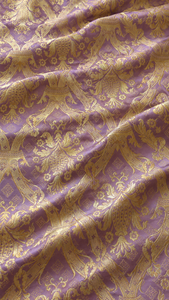
Katan silk is associated with Banarasi textile traditions.
Suitable constructions can be used for premium ethnic garments and elegant jackets.
The fabric’s weight and structure should be evaluated before selecting it for tailored outerwear.
Raw Silk
Raw silk offers a distinctive textured appearance.
It can complement minimalist bandhgalas, formal jackets and contemporary ethnic clothing.
Moonga Silk
Moonga silk and Moonga-style fabrics are appreciated for their characteristic surface texture.
Depending on their construction, they may be suitable for selected jackets and festive garments.
Chiniya Silk
Chiniya silk is associated with Banarasi textile traditions and may be considered for elegant ethnic clothing.
Its suitability for jacket construction depends on the specific fabric.
Silk Blends
Silk blends can provide alternatives for buyers seeking particular combinations of appearance, handling and price.
The exact performance depends on fibre composition and weave construction.
Professional buyers should always confirm specifications before ordering.
6. Self-Design Jacquard: Perfect for Minimalist Luxury Jackets
Contemporary men’s fashion increasingly explores understated luxury.
Self-design jacquard fabrics are particularly suitable for this aesthetic.
These textiles feature subtle patterns created through variations in weave and texture.
The motifs may become more visible under different lighting conditions.
Why Self-Design Fabrics Work Well
They provide decorative interest without excessive ornamentation.
They complement structured silhouettes.
They are suitable for both festive and formal occasions.
They can be coordinated with plain kurtas and trousers.
Recommended Patterns
Small checks, fine stripes, micro-diamonds, tonal floral motifs and abstract textures are suitable options.
Recommended Colours
Ivory, champagne, navy, charcoal, beige and muted green offer versatile styling possibilities.
For a contemporary bandhgala, a charcoal self-jacquard fabric can create a refined appearance without relying on heavy decorative detailing.
7. Geometric Jacquard: Modern Fabrics for Contemporary Jackets
Geometric jacquard fabrics offer a distinctive alternative to traditional floral patterns.
Their repeating shapes and clean lines complement modern tailoring.
Popular Geometric Motifs
Diamond patterns, hexagons, linear arrangements, abstract grids and architectural motifs can create contemporary woven surfaces.
Metallic Geometric Detailing
Geometric fabrics can incorporate antique gold, copper and muted metallic-looking yarns.
These combinations are particularly suitable for festive and evening jackets.
Styling Examples
A navy geometric jacquard bandhgala with subtle copper detailing can create an elegant reception look.
An ivory jacquard Nehru jacket with antique gold geometry can complement a plain silk kurta.
A charcoal geometric jacket can be paired with tonal trousers for a sophisticated Indo-Western outfit.
The key is balancing motif size, colour contrast and garment structure.
8. How to Choose the Right Fabric Weight for Designer Jackets
Fabric weight influences how a jacket hangs, feels and maintains its shape.
Different garment designs require different levels of structure.
Lightweight Fabrics
Lightweight constructions may be suitable for relaxed jackets and selected layered garments.
However, some lightweight fabrics may require interfacing or lining to achieve the desired silhouette.
Medium-Weight Fabrics
Medium-weight fabrics are often versatile for Nehru jackets and contemporary ethnic outerwear.
They can provide a balance between structure and comfort.
Heavyweight Fabrics
Heavier constructions may be suitable for structured ceremonial jackets.
However, excessive weight can reduce comfort, particularly in warm climates.
Important Consideration
Fabric weight should be evaluated alongside weave density, stiffness, drape and intended garment construction.
Weight alone does not determine whether a fabric is suitable for a particular jacket.
9. Choosing Fabric According to Jacket Design
Different jacket styles benefit from different textile characteristics.
| Jacket Style | Recommended Fabric | Desired Appearance |
|---|---|---|
| Nehru jacket | Banarasi jacquard, small-motif brocade | Festive and refined |
| Bandhgala | Structured jacquard, brocade, raw silk | Formal and sophisticated |
| Wedding jacket | Decorative Banarasi brocade | Rich and ceremonial |
| Indo-Western jacket | Geometric jacquard, textured silk | Modern and distinctive |
| Minimalist jacket | Self-design jacquard, plain textured fabric | Understated luxury |
| Reception jacket | Dark-toned brocade, tonal jacquard | Elegant evening wear |
| Ethnic blazer | Fine jacquard, subtle brocade | Contemporary formal style |
For designers, the most important principle is matching the fabric’s characteristics to the garment’s intended silhouette.
10. Best Colours for Men’s Designer Jackets
Colour selection influences the garment’s overall appearance.
Ivory and Champagne
These shades are particularly suitable for wedding jackets and daytime celebrations.
Navy Blue
Navy offers a sophisticated appearance for evening bandhgalas and formal ethnic jackets.
Emerald and Bottle Green
Deep green shades work well for festive and ceremonial clothing.
Maroon and Wine
These colours create a rich appearance suitable for wedding collections.
Black and Charcoal
Dark neutral shades are particularly effective for contemporary formal jackets.
Pastel Shades
Powder blue, sage green, lilac and muted pink can create elegant daytime festive looks.
Earthy Neutrals
Mocha, taupe, sand and beige complement textured fabrics and minimalist tailoring.
Designers should consider the occasion, target customer and overall garment collection when selecting colours.
11. Designer Jacket Fabrics for Indian Weddings
Indian weddings provide opportunities for experimenting with luxurious textiles.
Different ceremonies often require different levels of decoration and formality.
Engagement Jackets
Self-design jacquard and subtle brocade fabrics can create refined formal outfits.
Sangeet Jackets
Geometric jacquard and decorative brocade can provide a festive appearance.
Wedding Ceremony Jackets
Ivory, champagne and antique gold brocades offer traditional elegance.
Reception Jackets
Navy, charcoal, black and wine fabrics with restrained metallic detailing can create sophisticated evening outfits.
Festive Family Celebrations
Lightweight jacquard and textured silk jackets can offer a balance between comfort and style.
For wedding collections, designers should ensure that fabric weight and garment construction are appropriate for the expected climate and event duration.
12. Designer Jacket Fabrics for Diwali and Festive Wear
Diwali and other festive occasions often call for clothing that combines elegance with comfort.
Nehru jackets and contemporary ethnic jackets are versatile options.
Festive Jacquard Jackets
Subtle woven motifs can provide decorative interest without excessive embellishment.
Brocade Nehru Jackets
Small-scale brocade patterns can create an elegant festive appearance.
Silk Jackets
Appropriately structured silk fabrics can complement traditional kurtas.
Geometric Jackets
Modern patterns can provide a contemporary alternative to conventional festive clothing.
Styling Recommendation
A decorative jacket paired with a plain kurta often creates a balanced and sophisticated outfit.
13. Why Banarasi Fabrics Are Popular for Premium Designer Jackets
Varanasi has a long-standing association with decorative textile weaving.
Banarasi fabrics are recognised for intricate patterns, rich textures and traditional design influences.
These qualities make them relevant for premium men’s ethnic fashion.
Rich Textile Heritage
Banarasi weaving traditions provide a foundation for developing decorative fabrics with distinctive patterns.
Variety of Designs
Floral motifs, geometric patterns, stripes, checks and traditional butas can be incorporated into contemporary jacket fabrics.
Premium Appearance
Decorative jacquard and brocade constructions can enhance the visual appeal of formal ethnic clothing.
Adaptability
Banarasi-inspired fabrics can be used for traditional jackets as well as modern Indo-Western designs.
Opportunities for Designers
Fashion brands can use distinctive woven fabrics to differentiate their collections.
For buyers searching for Banarasi jacquard and brocade fabric suppliers in Varanasi, selecting textiles according to garment requirements is essential.
14. How to Evaluate Designer Jacket Fabric Quality
Fabric quality should be assessed before cutting and stitching.
This is particularly important for professional garment manufacturers.
Weave Consistency
Examine the fabric for unwanted irregularities, missing yarns and visible defects.
Pattern Clarity
Decorative motifs should appear consistent with the approved design.
Colour Consistency
For bulk production, buyers should confirm acceptable shade variation across lots.
Fabric Width
Usable width affects cutting efficiency and total consumption.
Shrinkage
Shrinkage characteristics should be evaluated before garment