Choosing a sherwani is one of the most important style decisions in a man’s wedding wardrobe.
The silhouette matters.
The fabric matters.
The fit matters.
The woven design matters.
But one decision can dramatically influence how all of those elements appear together:
Colour.
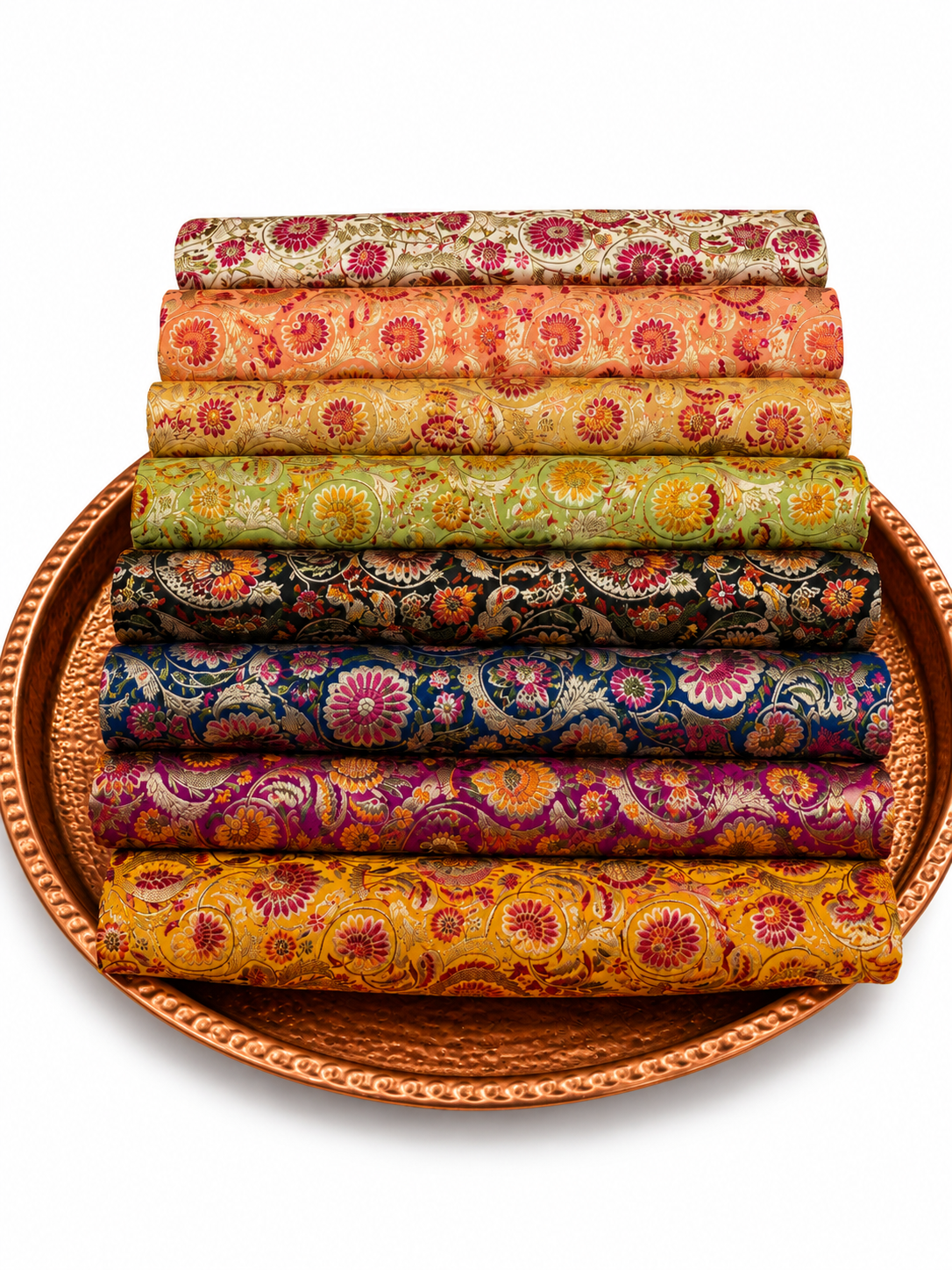
A beautifully constructed sherwani can look completely different in ivory, champagne, beige, pastel pink, sage, navy, wine or maroon.
And the colour that looks impressive on a mannequin, model or social-media photograph may not create exactly the same effect on every wearer.
This is why many grooms and wedding shoppers ask:
How do I choose the right sherwani colour for my skin tone?
The answer is more nuanced than simply dividing men into “fair,” “medium” and “dark” skin categories.
A better approach considers:
- Skin undertone
- Natural contrast
- Wedding time
- Venue
- Fabric texture
- Zari colour
- Wedding palette
- Bride’s outfit
- Personal style
- Lighting
- Groom’s comfort and confidence
In 2026, men’s wedding fashion also offers a much broader colour spectrum than the traditional cream, gold and maroon combination.
Modern grooms can explore:
Ivory | Cream | Champagne | Beige | Pastels | Sage | Pista | Dusty Pink | Powder Blue | Navy | Wine | Maroon | Deep Green | Jewel Tones
At Choubey Silk, Varanasi, our focus is on premium fabrics for men’s ethnic, wedding and occasion wear. Our broader collections include Banarasi jacquard, brocade, Katan silk, Moonga, Chiniya, raw silk, satin-based fabrics and other premium woven textiles that can be explored for sherwanis, kurtas, Indo-Western outfits, Nehru jackets, bandhgalas and groom wear.
This guide explains how to approach sherwani colour intelligently—without treating skin-tone recommendations as rigid fashion rules.
Why Sherwani Colour Matters
A sherwani occupies a large visual area.
Unlike a small accessory, its colour surrounds the upper body and therefore interacts directly with:
- Face
- Neck
- Hair
- Beard
- Accessories
- Wedding lighting
Colour can influence whether the overall look appears:
- Soft
- High contrast
- Warm
- Cool
- Bright
- Understated
- Traditional
- Contemporary
However, there is no universally “correct” sherwani colour for a particular complexion.
Two men with similar skin depth may have different undertones, hair colours and personal preferences.
The objective is not to follow a formula blindly.
It is to understand colour well enough to make a better decision.
Start with Undertone, Not Just Skin Colour
When people discuss skin tone, they often refer only to how light or deep the complexion appears.
Undertone is different.
It refers to the subtle underlying colour character of the skin.
The three commonly discussed groups are:
- Warm
- Cool
- Neutral
These categories are useful as styling guides, but real skin tones exist across a broad spectrum.
You do not need to force yourself into an exact category.
Use undertone as one factor—not an absolute rule.
What Is a Warm Undertone?
Warm undertones may show golden, yellow, peach or olive characteristics.
Colours that often create harmonious combinations with warm undertones include:
- Ivory
- Cream
- Champagne
- Beige
- Warm gold
- Antique gold
- Maroon
- Warm wine
- Deep green
- Selected earthy colours
But this does not mean a person with warm undertones cannot wear blue, pink or another cooler colour.
Fabric texture and styling can completely change the result.
What Is a Cool Undertone?
Cool undertones may show pink, red or bluish characteristics.
Depending on the individual, colours worth trying may include:
- Navy
- Deep blue
- Wine
- Burgundy
- Cool pinks
- Lavender
- Selected greys
- Cooler ivory tones
Again, these are possibilities rather than restrictions.
What Is a Neutral Undertone?
Neutral undertones contain a more balanced combination of warm and cool characteristics.
This can make a broad range of colours relatively easy to explore.
Possible directions include:
- Ivory
- Champagne
- Beige
- Pastels
- Navy
- Wine
- Maroon
- Deep green
The final decision can therefore depend more heavily on occasion, fabric and personal preference.
How Can You Identify Your Undertone?
There are several informal ways people try to estimate undertone.
You may compare:
- Warm vs cool clothing colours
- Gold vs silver-toned accessories
- Different shades of white
- Natural-light photographs
But these tests are not perfect.
Lighting, camera processing and surrounding colours can alter perception.
The most useful method when choosing an expensive wedding outfit is simple:
Place actual fabric near your face in good natural light.
Compare several options.
Do not rely entirely on a screen.
Why Online Sherwani Colours Can Look Different
Fabric colour on a phone or laptop may differ from its appearance in person.
Several factors can affect colour:
- Camera white balance
- Screen brightness
- Display settings
- Studio lighting
- Image processing
- Fabric lustre
Silk and zari fabrics can be especially dynamic because their appearance changes with light and viewing angle.
Whenever possible, evaluate the actual textile or a reliable physical sample before finalising an important groom outfit.
Sherwani Colours for Lighter Skin Tones
Men with lighter complexions have many options.
The main consideration is often contrast.
Very pale colours close to the wearer’s skin depth can create a softer, lower-contrast appearance.
That may be exactly what you want.
If you want greater definition, choose a colour or woven pattern that introduces more contrast.
Colours worth exploring include:
- Navy
- Wine
- Maroon
- Deep green
- Champagne
- Beige
- Dusty pink
- Sage
- Powder blue
Ivory can also work beautifully, especially when texture or zari creates separation.
Ivory Sherwani for Lighter Skin
There is no rule that lighter-skinned men should avoid ivory.
The key is creating dimension.
Instead of completely flat ivory, consider:
- Ivory self-jacquard
- Ivory with antique-gold motifs
- Ivory geometric jacquard
- Ivory with tonal florals
- Ivory with subtle meena
The woven surface helps prevent the garment from appearing visually flat.
Dark Sherwani Colours for Lighter Complexions
Navy, wine, maroon and deep green can create strong contrast.
These colours are particularly effective for:
- Evening weddings
- Winter weddings
- Receptions
- Formal indoor venues
Metallic woven details can add additional wedding character.
Sherwani Colours for Medium or Wheatish Skin Tones
Medium complexions can work with an extensive colour range.
Possible directions include:
- Ivory
- Cream
- Champagne
- Beige
- Pista
- Sage
- Dusty pink
- Powder blue
- Navy
- Wine
- Maroon
- Deep green
Instead of asking which single colour is “best,” compare colour families.
For example:
Warm neutrals: champagne, beige, cream.
Fresh colours: sage, pista, pastel blue.
Dark evening colours: navy, wine, deep green.
This gives you a more useful starting point.
Champagne Sherwani
Champagne is one of the most adaptable modern groom colours.
It sits between ivory, beige and soft gold.
It can pair naturally with:
- Antique gold
- Copper
- Tonal zari
- Pastel details
For men who want a neutral sherwani without choosing conventional cream, champagne can be worth exploring.
Sage and Pista Sherwanis
Green-based pastels have become an interesting option in contemporary groom wear.
Sage tends to feel muted.
Pista can feel fresher.
Both can be combined with:
- Antique gold
- Tonal motifs
- Ivory
- Cream
They can work particularly well for daytime and destination weddings.
Sherwani Colours for Deeper Skin Tones
Deeper complexions can carry both light and dark colours effectively.
High-contrast light colours can create striking results.
Consider:
- Ivory
- Cream
- Champagne
- Beige
- Pastels
Richer colours can also work beautifully:
- Wine
- Maroon
- Navy
- Deep green
- Jewel tones
The idea that deeper skin tones should be restricted to only dark colours is unnecessarily limiting.
Experiment with contrast.
Ivory Sherwani for Deeper Skin Tones
Ivory can create a strong, elegant contrast.
The effect becomes particularly interesting when the textile includes:
- Antique-gold zari
- Tonal jacquard
- Geometric patterns
- Small butis
- Floral motifs
For a daytime groom look, ivory can be especially powerful.
Pastel Sherwani for Deeper Skin Tones
Pastels can also create attractive contrast.
Consider trying:
- Dusty pink
- Pista
- Sage
- Powder blue
- Lavender
- Peach
The precise shade matters.
Do not judge the entire colour category based on one version of pink, blue or green.
Dark Sherwani Colours for Deeper Complexions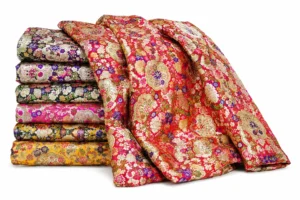
Dark colours can create sophisticated tonal depth.
Navy, wine and deep green are particularly suitable for evening events.
To prevent the garment from looking visually flat, use:
- Tonal jacquard
- Antique-gold motifs
- Copper accents
- Textured weaving
- Contrasting buttons
Ivory Sherwani: Why It Remains So Popular
Ivory remains one of the defining colours in men’s wedding fashion because it provides a neutral foundation.
It works naturally with:
- Gold
- Antique gold
- Copper
- Maroon
- Pastels
- Green
- Pink
- Multicoloured meena
But the important point is that not all ivory fabrics look the same.
The appearance changes according to:
- Weave
- Lustre
- Zari
- Motif
- Fabric weight
- Lighting
A plain ivory textile and an ivory Banarasi jacquard can create completely different sherwanis.
Cream Sherwani
Cream is slightly warmer than many ivory shades.
It can create a traditional yet refined groom look.
Cream works particularly well with:
- Gold
- Antique gold
- Maroon
- Deep green
- Tonal floral patterns
For traditional wedding ceremonies, it remains a versatile direction.
Champagne Sherwani: A Contemporary Neutral
Champagne is particularly useful for men who want something neutral but less conventional than cream.
It can work with:
- Geometric jacquard
- Self-jacquard
- Florals
- Antique gold
- Copper
For a contemporary groom, champagne can bridge traditional and modern aesthetics.
Beige Sherwani
Beige offers understated warmth.
Its success depends heavily on texture.
A completely flat beige can look very different from:
- Beige self-jacquard
- Beige geometric fabric
- Beige with copper motifs
- Beige brocade
For minimalist wedding styling, beige can be highly effective.
Gold Sherwani
Gold has strong associations with Indian ceremonial fashion.
However, there are many versions of gold.
Consider:
- Bright gold
- Antique gold
- Muted gold
- Champagne gold
For contemporary menswear, antique and muted gold can sometimes create a more restrained appearance.
Pastel Pink Sherwani
Pink has become an established part of modern men’s wedding colour palettes.
Possible directions include:
- Baby pink
- Dusty pink
- Blush
- Muted rose
The effect depends on saturation and textile.
A pink Banarasi jacquard with antique-gold motifs can look completely different from a plain pink fabric.
Pista Sherwani
Pista works particularly well for:
- Day weddings
- Destination weddings
- Spring-inspired celebrations
- Pastel wedding themes
It can be paired with antique gold for a more traditional character or tonal pattern for a contemporary look.
Sage Green Sherwani
Sage provides a more muted alternative to brighter green.
It works naturally with understated wedding styling.
Possible combinations include:
Sage + Antique Gold
Sage + Ivory
Sage + Tonal Jacquard
Sage + Copper
Powder Blue Sherwani
Powder blue provides a fresh alternative to conventional groom colours.
It can work particularly well for daytime weddings.
Consider combining it with:
- Ivory
- Silver-toned details
- Muted metallics
- Tonal weaving
The exact metallic choice should be tested against the fabric rather than selected by rule.
Lavender Sherwani
Lavender offers another pastel direction.
It can be particularly suitable for modern wedding palettes and destination celebrations.
A tonal lavender jacquard can create a sophisticated appearance without requiring strong metallic contrast.
Navy Sherwani
Navy is one of the strongest evening options.
It can feel:
- Formal
- Modern
- Structured
- Sophisticated
Navy works particularly well with:
- Antique gold
- Copper
- Tonal geometry
- Small butis
- Dark florals
For a reception or evening wedding, it can be highly effective.
Wine Sherwani
Wine creates richness without necessarily relying on bright metallic decoration.
It works particularly well with:
- Antique gold
- Tonal jacquard
- Small woven motifs
- Dark floral designs
Wine can be especially suitable for evening groom wear.
Maroon Sherwani
Maroon remains closely associated with Indian wedding fashion.
To make it feel more contemporary, focus on:
- Cleaner silhouette
- Geometric jacquard
- Tonal design
- Antique metallics
- Controlled accessories
Traditional colour does not require traditional styling.
Deep Green Sherwani
Deep green offers an alternative to navy, wine and maroon.
It can pair beautifully with:
- Antique gold
- Copper
- Tonal motifs
For evening weddings, it can create strong visual depth.
Day Wedding Sherwani Colours
Daylight generally allows softer colours to show their details beautifully.
Consider:
- Ivory
- Cream
- Champagne
- Beige
- Pista
- Sage
- Pink
- Powder blue
- Lavender
Natural light can reveal woven texture clearly.
This is particularly valuable with Banarasi jacquard.
Evening Wedding Sherwani Colours
Evening events can support deeper tones.
Consider:
- Navy
- Wine
- Maroon
- Deep green
- Dark jewel tones
Artificial lighting can interact beautifully with:
- Zari
- Jacquard
- Brocade
- Metallic motifs
This creates additional visual depth.
Destination Wedding Sherwani Colours
Destination weddings often favour lighter, fresher palettes.
For a resort or outdoor celebration, consider:
- Ivory
- Champagne
- Pastels
- Sage
- Pista
- Powder blue
But climate matters as much as colour.
Fabric weight and layering should also be considered.
Winter Wedding Sherwani Colours
Winter weddings can support richer colours and heavier visual styling.
Consider:
- Wine
- Maroon
- Navy
- Deep green
- Rich brocade
- Dark jacquard
Layering can also become more practical.
How to Coordinate the Groom’s Sherwani with the Bride’s Outfit
Coordination does not mean wearing exactly the same colour.
In fact, complementary dressing can often create a more sophisticated result.
Consider three approaches.
1. Tonal Coordination
The groom and bride use related colour families.
For example:
Bride: blush.
Groom: champagne with subtle blush details.
2. Complementary Coordination
The outfits use different colours that work well together.
For example:
Bride: deep red.
Groom: ivory with antique-gold details.
3. Accent Coordination
The groom’s main colour remains independent, but small details reference the bride’s outfit.
This can appear through:
- Meena
- Stole
- Buttons
- Pocket detail
- Accessories
This approach can create visual connection without making the outfits identical.
If coordination is important, compare actual fabric or reliable physical swatches.
A shade displayed on a screen may not accurately represent:
- Undertone
- Metallic effect
- Lustre
- Saturation
This becomes particularly important when matching wedding outfits.
Sherwani Fabric Changes How Colour Looks
Colour cannot be separated from fabric.
The same navy can look different on:
- Plain fabric
- Katan silk
- Self-jacquard
- Brocade
- Banarasi jacquard
Texture changes the way light interacts with colour.
That is why sherwani colour should ideally be selected together with the textile.
Banarasi Jacquard Sherwani Colours
Banarasi jacquard can add woven depth to almost any colour.
For light sherwanis:
- Ivory geometry
- Champagne self-jacquard
- Beige butis
- Pastel florals
For dark sherwanis:
- Navy geometry
- Wine tonal jacquard
- Deep-green motifs
The woven design prevents colour from feeling flat.
Brocade Sherwani Colours
Brocade tends to have stronger visual presence.
For groom wear, possible combinations include:
- Ivory and antique gold
- Cream and gold
- Champagne and copper
- Navy and antique gold
- Wine and gold
- Deep green and antique gold
The exact balance depends on the design.
Katan Silk Sherwani Colours
Katan silk can provide refined silk character depending on the specific fabric construction.
Colour selection can range from:
- Ivory
- Cream
- Champagne
- Pastels
- Rich darker shades
When evaluating Katan silk, look at the actual textile under different lighting.
Self-Jacquard Sherwani Colours
Self-jacquard is ideal for grooms who prefer understated luxury.
Strong colour directions include:
- Ivory
- Champagne
- Beige
- Sage
- Navy
- Wine
The pattern provides depth while remaining close to the base colour.
Geometric Sherwani Colours
Geometry can make traditional wedding colours feel more contemporary.
Consider:
Ivory + Antique Gold
Champagne + Copper
Navy + Tonal Geometry
Wine + Antique Gold
Deep Green + Muted Gold
Geometric designs work particularly well for men who want a modern groom aesthetic.
Floral Sherwani Colours
Floral Banarasi fabrics can be styled in both traditional and contemporary ways.
For a softer look:
- Ivory florals
- Champagne botanicals
- Pastel floral jacquard
For stronger evening styling:
- Navy floral
- Wine floral
- Deep-green botanical designs
Motif scale matters as much as colour.
Zari Colour and Skin Tone
Do not think only about the base colour.
Zari also sits close to the face and contributes significantly to the overall palette.
Possible directions include:
- Bright gold
- Antique gold
- Copper
- Muted metallic tones
Rather than following a rigid skin-tone formula, place the complete fabric near your face and compare.
Sometimes changing the zari tone improves the overall effect more than changing the base colour.
Antique Gold vs Bright Gold
Bright gold creates stronger contrast and ceremonial impact.
Antique gold is usually softer and more muted.
For contemporary sherwanis, antique gold can work particularly well with:
- Ivory
- Champagne
- Beige
- Pastels
- Navy
- Wine
- Deep green
It can provide richness without dominating the base colour.
Copper in Modern Sherwani Fabrics
Copper offers a warmer alternative to conventional gold.
It can work beautifully with:
- Champagne
- Beige
- Pista
- Navy
- Wine
- Deep green
Copper can be especially effective in geometric patterns.
Meena and Sherwani Colour
Meena allows small additional colours to be introduced into woven motifs.
For example:
Ivory + Antique Gold + Pista Meena
Champagne + Copper + Pink Meena
Navy + Antique Gold + Small Coloured Accents
This creates a more layered colour story.
How Your Hair and Beard Affect Sherwani Colour
Skin tone is only one part of your natural colouring.
Also consider:
- Hair colour
- Beard colour
- Facial contrast
A man with dark hair and beard may naturally have greater facial contrast than someone with lighter or greying hair.
This can influence how strongly different sherwani colours appear.
Again, actual fabric testing is more useful than rigid rules.
Sherwani Colour for Day Photography
Wedding photographs are another reason to evaluate colour in different lighting.
Daylight can reveal:
- True colour
- Texture
- Weave
- Subtle motifs
Pastels and neutrals often photograph differently outdoors than under artificial indoor lighting.
If your ceremony is outdoors, view your fabric in natural light before finalising it.
Sherwani Colour for Night Photography
Artificial lighting can intensify:
- Zari
- Lustre
- Metallic patterns
- Dark colours
A navy or wine jacquard can look dramatically different under reception lighting.
When possible, evaluate the fabric under both natural and warm artificial light.
How Venue Affects Sherwani Colour
The venue can influence the visual environment.
A palace wedding, beach wedding, garden wedding and hotel ballroom all create different backgrounds.
For example:
A pastel outfit may feel natural at a bright outdoor celebration.
A dark bandhgala-style sherwani may work beautifully in a formal evening ballroom.
The outfit should be considered within the environment.
Should the Groom Follow Trends?
Trends are useful for inspiration.
They should not become rules.
A groom should not choose sage simply because sage is fashionable if he personally prefers navy.
Similarly, he should not reject maroon merely because it is considered traditional.
The best wedding outfit should still feel authentic to the wearer.
How to Test Sherwani Colours Before Buying Fabric
If possible, shortlist three to five fabrics.
Then:
- View them in natural daylight.
- Place each fabric near your face.
- Take photographs without excessive filters.
- View them under indoor lighting.
- Compare them with the wedding palette.
- Consider the bride’s outfit if coordination matters.
- Evaluate the woven pattern.
- Compare metallic details.
- Think about the complete garment.
- Choose the option you genuinely prefer.
This process is much more reliable than selecting a colour from a trend chart alone.