Shopping Cart

x 2

Light Blue Denim Dress
$24.99
x 3
$114.95
View Cart

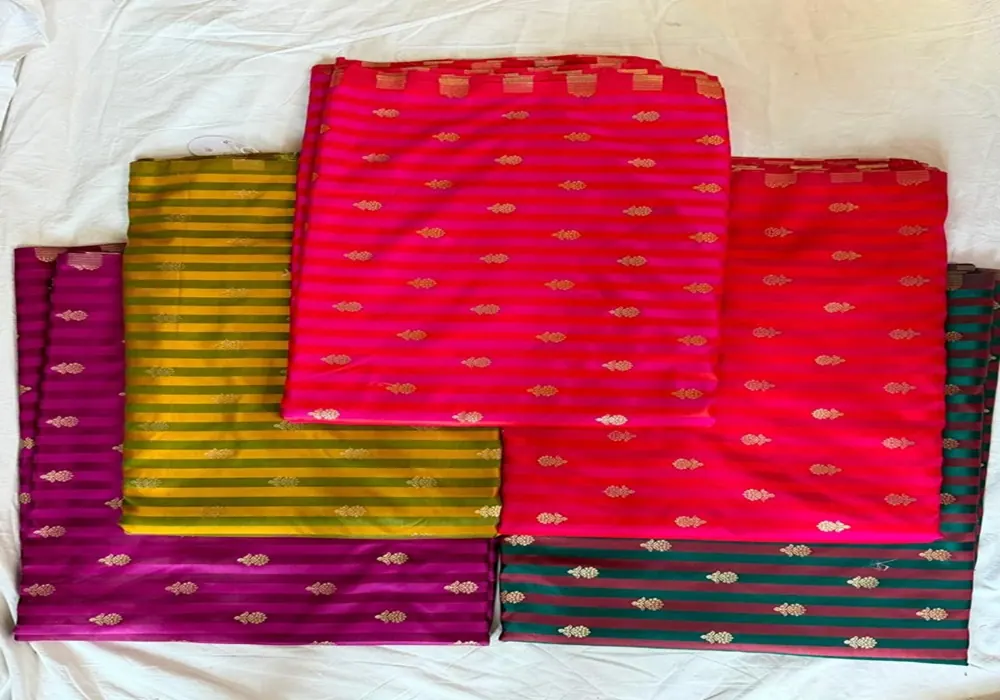
With so many silk-look synthetic fabrics flooding the market, knowing how to distinguish pure silk from art silk (rayon or polyester blends) protects your investment, especially for big-ticket purchases like sherwani or wedding fabric. The simplest at-home test is the burn test. A few loose threads of pure silk, when burned, curl away from the flame, self-extinguish, and leave behind a fine, crushable ash with a smell similar to burnt hair , because silk is a natural protein fibre. Art silk, being synthetic, melts rather than burns, often leaving a hard plastic-like bead and a chemical smell. Texture is another reliable clue. Pure silk has a natural, slightly irregular sheen that shifts color subtly depending on the angle of light , a property called “shot” or “changeant” effect, especially visible in handloom Katan silk. Art silk tends to have a flatter, more uniform, almost plastic-like shine that doesn’t change with light. Touch matters too. Genuine silk feels warm against the skin and produces a distinctive “scroop” , a soft rustling or crunching sound when rubbed between fingers. Art silk feels cooler and smoother, more like polyester. Price is, frankly, one of the most honest indicators. Pure handwoven Banarasi silk involves expensive raw material and labor-intensive weaving, so prices well below market average are a red flag. At Choubey Silk, every fabric we supply , whether Katan, Chiniya, or brocade , comes from verified, traceable sourcing, so designers, boutiques, and individual buyers never have to second-guess authenticity. When in doubt, always buy from an established silk exporter with a transparent sourcing history rather than unverified online sellers.