
Men’s Indian fashion in 2026 is no longer defined by a simple choice between traditional ethnic wear and Western formalwear.
The most interesting wardrobes increasingly exist somewhere between the two.
A kurta can be paired with a sharply structured jacket. A bandhgala can be created in contemporary geometric jacquard. A traditional Banarasi textile can become an asymmetric long jacket. A groom can replace a conventional sherwani with a layered Indo-Western outfit combining Indian textile character with modern tailoring.
This is the world of Indo-Western fashion for men.
The appeal of Indo-Western menswear comes from flexibility.
It allows men to retain the richness, textile heritage and ceremonial character associated with Indian clothing while experimenting with cleaner silhouettes, structured tailoring, layering, modern proportions and contemporary colours.
But successful fusion dressing requires balance.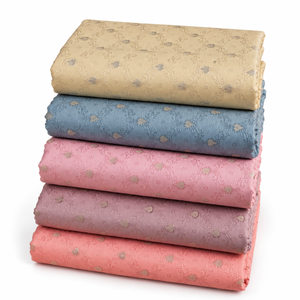
Simply combining an Indian garment with a Western element does not automatically create a sophisticated Indo-Western look.
Fabric, colour, proportion, pattern, layering and accessories need to work together.
At Choubey Silk, Varanasi, our focus is on premium fabrics for men’s ethnic, wedding and occasion wear. Our collections include Banarasi jacquard, brocade, Katan silk, Moonga, Chiniya, raw silk, satin-based fabrics and other premium woven textiles that can be explored for Indo-Western outfits, kurtas, sherwanis, Nehru jackets, bandhgalas, wedding jackets and groom wear.
For men planning wedding wardrobes, designers developing contemporary menswear, boutiques sourcing premium textiles and garment manufacturers creating fusion collections, 2026 presents enormous opportunities.
This guide explains how to master the Indo-Western look for men in 2026, starting with the element that can transform the entire outfit:
The fabric.
What Is Indo-Western Fashion for Men?
Indo-Western menswear combines elements of Indian clothing, textile traditions or design with contemporary and Western-influenced silhouettes, tailoring or styling.
The category can include:
- Kurta with structured jacket
- Kurta with Nehru jacket
- Bandhgala with contemporary trousers
- Asymmetric kurta
- Long fusion jacket
- Layered groom outfit
- Contemporary sherwani
- Short jacket with traditional inner layer
- Banarasi jacket with minimal trousers
- Modern wedding co-ords
The category is intentionally broad.
That flexibility is one of its greatest strengths.
A successful Indo-Western outfit should not look like two unrelated fashion ideas forced together.
It should feel intentional.
Why Indo-Western Menswear Matters in 2026
Modern wedding wardrobes often include several events.
A groom may need outfits for:
- Engagement
- Mehendi
- Haldi
- Sangeet
- Wedding
- Reception
Wedding guests may also attend multiple functions.
Wearing a traditional sherwani for every event is neither necessary nor desirable.
Indo-Western fashion creates another level of formality between the kurta and the ceremonial sherwani.
It can be:
More formal than a simple kurta.
Less traditional than a sherwani.
More expressive than a conventional suit.
That versatility explains much of its appeal.
The Golden Rule of Indo-Western Fashion: Balance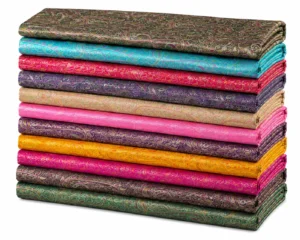
The most important principle is balance.
If the fabric is extremely rich, the silhouette can be cleaner.
If the garment construction is dramatic, the fabric can be more restrained.
If the jacket is patterned, the inner kurta can be plain.
If the textile uses strong metallic effects, accessories can remain minimal.
Fusion fashion works when one element leads and the others support it.
Without this hierarchy, the outfit can become visually crowded.
Start with the Fabric
In premium Indo-Western menswear, fabric should not be treated as an afterthought.
It determines:
- Texture
- Structure
- Drape
- Pattern
- Weight
- Light reflection
- Colour depth
- Garment character
A geometric Banarasi jacquard creates a completely different jacket from a plain textile.
Brocade changes the visual richness.
Katan silk changes the surface character.
Self-jacquard can make a minimal silhouette look more sophisticated.
This is why fabric selection should happen early in the design process.
Banarasi Fabrics and Indo-Western Fashion
Banarasi textiles offer a particularly interesting foundation for fusion menswear because they can move between heritage and contemporary design.
Traditional textile directions can include:
- Florals
- Butis
- Jaals
- Paisleys
- Botanical motifs
- Mughal-inspired designs
- Zari detailing
Contemporary woven directions can include:
- Geometry
- Checks
- Stripes
- Self-patterns
- Abstract repeats
- Tonal jacquards
- Modern metallic effects
A designer can therefore retain a connection with Banaras while creating a garment that looks entirely contemporary.
Look 1: Kurta with a Banarasi Nehru Jacket
One of the easiest Indo-Western combinations to master is the kurta with a Nehru jacket.
The formula is familiar, but fabric selection can make it feel completely new.
A relatively simple kurta can be paired with a statement Banarasi jacket.
Possible jacket directions include:
- Geometric jacquard
- Floral brocade
- Small butis
- Checks
- Stripes
- Antique-gold patterns
How to Wear It in 2026
Keep the inner kurta relatively clean when the jacket has a strong pattern.
For example:
Ivory Kurta + Champagne Geometric Jacquard Jacket
or
Cream Kurta + Pastel Floral Banarasi Jacket
or
Navy Kurta + Tonal Jacquard Nehru Jacket
Pair the outfit with straight or tapered trousers for a cleaner contemporary line.
Look 2: The Geometric Banarasi Jacket
Geometry is particularly effective for Indo-Western menswear because it naturally connects with structured tailoring.
Patterns can include:
- Diamonds
- Grids
- Linear forms
- Interlocking shapes
- Architectural motifs
- Abstract repeats
A geometric Banarasi jacquard can become the foundation for:
- Nehru jacket
- Bandhgala
- Long jacket
- Asymmetric jacket
- Contemporary groom outfit
How to Style It
Allow the geometry to remain the visual focus.
Use a relatively simple inner garment.
Keep trousers clean.
Avoid combining several unrelated geometric patterns in one outfit.
If the fabric contains antique gold or copper, accessories can echo the metallic tone subtly rather than exactly reproducing it.
Look 3: The Modern Bandhgala
The bandhgala is one of the strongest bridges between Indian and Western formal dressing.
Its structured tailoring creates a formal silhouette, while fabric determines how traditional or contemporary it appears.
A bandhgala in plain dark fabric can look almost minimal.
The same silhouette in Banarasi jacquard becomes distinctly Indian.
Fabric Directions
Consider:
- Self-jacquard
- Geometric jacquard
- Tonal patterns
- Small motifs
- Dark metallic designs
- Restrained brocade
Colours
For daytime:
- Ivory
- Champagne
- Beige
- Pastels
For evening:
- Navy
- Wine
- Maroon
- Deep jewel tones
Look 4: The Long Indo-Western Jacket
A long jacket creates one of the most dramatic fusion silhouettes.
It can be worn over:
- Kurta
- Shorter inner tunic
- Minimal shirt-style layer
- Coordinated ethnic inner garment
Because the jacket provides a large surface, textile selection becomes extremely important.
For a Minimal Look
Choose self-jacquard.
For a Contemporary Look
Choose geometry.
For a Wedding Statement
Choose brocade.
For Heritage Styling
Choose florals or Mughal-inspired motifs.
The inner layer should generally be quieter when the long jacket carries a strong woven design.
Look 5: The Asymmetric Indo-Western Outfit
Asymmetry instantly changes the visual language of ethnic menswear.
It can appear through:
- Diagonal closure
- Uneven hem
- Overlapping panels
- Layered construction
- Offset buttons
- Draped elements
Banarasi jacquard can make asymmetry even more interesting because the pattern interacts with the panel construction.
Important Fabric Consideration
Directional patterns require careful planning.
A motif that looks correct on one panel may rotate or break when another panel is cut differently.
For asymmetric garments, designers should study:
- Pattern repeat
- Direction
- Motif scale
- Panel layout
before cutting.
Look 6: The Minimal Self-Jacquard Indo-Western Outfit
Not all fusion fashion needs to be dramatic.
Minimalism can be extremely effective.
Self-jacquard provides woven depth while keeping colour contrast low.
This works particularly well in:
- Ivory
- Cream
- Champagne
- Beige
- Pastels
- Navy
- Wine
Styling Principle
When the textile is subtle, construction becomes more visible.
This makes tailoring especially important.
Clean shoulders, controlled fit and precise length become part of the luxury.
Look 7: The Brocade Statement Jacket
Brocade can be visually rich.
Instead of using it across the entire outfit, one of the smartest approaches is to make it the statement layer.
Consider:
Plain Kurta + Banarasi Brocade Jacket + Clean Trousers
This creates a clear hierarchy.
The brocade becomes the hero.
The other garments support it.
Best Occasions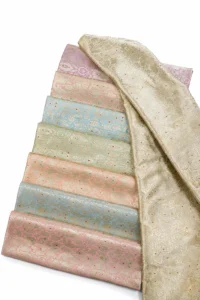
- Engagement
- Sangeet
- Wedding
- Reception
- Festive events
The richness of the fabric can be adjusted according to the event.
Look 8: The Tonal Indo-Western Look
Tonal dressing is one of the easiest ways to make an outfit look sophisticated.
Instead of combining highly contrasting colours, use different shades and textures within the same family.
For example:
Ivory self-jacquard kurta + cream trousers + ivory geometric jacket
or
Champagne kurta + beige trousers + antique-gold jacquard jacket
or
Navy kurta + dark-blue tonal bandhgala
The outfit gains depth through texture rather than colour contrast.
Look 9: The Pastel Indo-Western Wedding Outfit
Pastels continue to provide strong options for daytime wedding fashion.
Useful colours include:
- Baby pink
- Pista
- Sage
- Powder blue
- Lavender
- Peach
But the most sophisticated pastel outfits use textile depth.
A flat pastel fabric and a pastel jacquard create very different results.
Fabric Ideas
Baby pink geometric jacquard.
Pista with antique gold.
Powder-blue self-jacquard.
Lavender with small butis.
Champagne with pastel meena accents.
These fabrics can work beautifully for engagements, mehendi events and destination weddings.
Look 10: Dark Indo-Western Evening Wear
Evening functions provide an opportunity to move away from light wedding colours.
Consider:
- Navy
- Wine
- Maroon
- Deep green
- Dark jewel tones
Dark woven fabrics can look particularly effective under artificial lighting.
Metallic geometry becomes more visible.
Tonal jacquard creates depth.
Brocade can create strong formal character.
Best Garments
- Bandhgala
- Long jacket
- Contemporary sherwani
- Structured Indo-Western jacket
This is particularly suitable for sangeet and reception styling.
Look 11: Banarasi Checks for Contemporary Men
Checks have a natural relationship with men’s tailoring.
Reinterpreting checks through Banarasi jacquard creates a useful fusion direction.
Possible designs include:
- Tonal grids
- Metallic checks
- Multi-scale checks
- Textured intersections
- Geometric check combinations
These fabrics can work especially well for jackets and bandhgalas.
The pattern feels familiar to menswear but gains depth through woven construction.
Look 12: Banarasi Stripes for a Cleaner Silhouette
Stripes offer another contemporary direction.
Vertical woven lines can create a cleaner visual flow.
Stripes may be:
- Tonal
- Metallic
- Textured
- Combined with small motifs
- Integrated into geometry
Striped jacquard can work for:
- Kurtas
- Long jackets
- Bandhgalas
- Nehru jackets
The scale of the stripe should complement the garment.
Look 13: Antique Gold Indo-Western Styling
Gold remains deeply connected with Indian occasion wear.
But contemporary men’s fashion does not always need highly reflective bright gold.
Antique gold can provide a more restrained alternative.
It works particularly well with:
- Ivory
- Cream
- Champagne
- Beige
- Pista
- Pink
- Navy
- Wine
Antique-gold geometry can create modern wedding fabric.
Antique-gold florals can create heritage luxury.
Small antique-gold butis can provide understated festive character.
Look 14: Copper Accents for Modern Fusion Wear
Copper provides another metallic direction.
It has a warmer character than many conventional gold effects.
Copper can work particularly well within:
- Geometry
- Checks
- Abstract motifs
- Small butis
- Contemporary florals
It can also be combined with antique gold.
For designers developing modern men’s wedding collections, this creates additional possibilities beyond traditional metallic palettes.
Look 15: Controlled Meena Details
Meena introduces small colour accents within woven designs.
For men’s Indo-Western fashion, subtlety can be particularly effective.
Small touches of:
- Baby pink
- Pista
- Blue
- Copper
- Complementary colours
can connect the textile to the wider wedding palette.
For example, an ivory geometric jacket with small pink meena accents can coordinate with another wedding outfit without requiring the groom to wear an entirely pink garment.
Mastering the Fusion Look: Rule 1 – Choose One Hero
Every strong outfit needs hierarchy.
Your hero could be:
- Fabric
- Jacket
- Silhouette
- Colour
- Accessory
But everything should not compete simultaneously.
If you choose rich brocade, keep the rest controlled.
If the silhouette is highly asymmetric, consider a quieter textile.
If the jacket is geometric jacquard, use a simpler kurta.
This single principle prevents many styling mistakes.
Rule 2 – Understand Proportion
Fusion fashion often involves layers.
That makes proportion extremely important.
A long jacket over a long kurta can create too much visual length if not carefully designed.
A short jacket over a very long kurta creates another proportion.
Neither is automatically wrong.
But the relationship should look intentional.
Consider:
- Wearer’s height
- Torso length
- Jacket length
- Kurta length
- Trouser shape
- Footwear
The complete silhouette matters more than any individual garment.
Rule 3 – Don’t Mix Too Many Patterns
Pattern mixing can work, but it requires control.
A floral kurta with a geometric jacket and patterned trousers may become visually confusing.
For most premium wedding outfits, a simpler approach is more effective.
Patterned Jacket
Use plain or tonal inner layers.
Patterned Kurta
Use a restrained jacket.
Tonal Outfit
Allow woven texture to create variation.
This keeps the Banarasi fabric visible.
Rule 4 – Match Fabric Weight to the Garment
Different silhouettes need different fabric behaviour.
A structured bandhgala needs a different relationship with fabric than a relaxed kurta.
A long jacket may require balance between structure and movement.
An asymmetric garment needs enough stability for the panels to retain their intended shape.
Consider:
- Weight
- Drape
- Thickness
- Structure
- Lining
before finalising the textile.
Rule 5 – Use Colour Strategically
Colour should support the occasion.
Daytime
Consider:
- Ivory
- Cream
- Champagne
- Beige
- Pastels
Evening
Consider:
- Navy
- Wine
- Maroon
- Dark jewel tones
This is not a strict rule.
The venue, season, fabric and styling can all change the result.
Rule 6 – Let Texture Replace Excess Decoration
One of the strongest directions in contemporary men’s fashion is the use of textile texture as decoration.
Jacquard already creates visual depth.
Brocade already creates pattern.
Silk already interacts with light.
A garment created from premium woven fabric may therefore need less additional surface work.
This can produce a cleaner and more sophisticated Indo-Western outfit.
Indo-Western for Engagements
Engagement styling usually works well with refined rather than excessively ceremonial fashion.
Consider:
- Champagne jacquard
- Ivory geometry
- Beige self-pattern
- Pastel jackets
- Antique-gold details
A structured jacket or bandhgala can create enough formality while remaining distinct from the wedding sherwani.
Indo-Western for Mehendi
Mehendi allows more colour and experimentation.
Possible directions include:
- Pista
- Sage
- Baby pink
- Peach
- Powder blue
Small motifs, florals and contemporary geometry can work beautifully.
A lighter-looking jacket over a simple kurta can provide a comfortable festive outfit.
Indo-Western for Sangeet
Sangeet is ideal for stronger evening fashion.
Consider:
- Navy jacquard
- Wine
- Metallic geometry
- Dark bandhgala
- Structured long jacket
- Contemporary brocade
Artificial lighting can emphasise woven metallic details.
Indo-Western for the Groom
A modern groom may not want a conventional sherwani for every wedding function.
Indo-Western outfits create variety.
Engagement
Champagne geometric jacket.
Mehendi
Pastel Banarasi Nehru jacket.
Sangeet
Dark metallic bandhgala.
Wedding-Related Event
Ivory long jacket with antique-gold jacquard.
Reception
Navy or wine structured fusion outfit.
This creates a complete groom wardrobe without repeating the same silhouette.
Indo-Western for Wedding Guests
Wedding guests generally need less ceremonial richness than the groom.
Good options include:
- Self-jacquard jackets
- Small geometric patterns
- Pastel Nehru jackets
- Tonal bandhgalas
- Subtle brocade
The goal is festive elegance without excessive visual competition.
Indo-Western for Destination Weddings
Destination weddings often involve outdoor settings, daytime ceremonies and multiple events.
This makes versatility particularly important.
Consider:
- Pastel jacquards
- Champagne
- Ivory
- Small motifs
- Cleaner silhouettes
- Controlled layering
Climate should also influence the fabric and number of layers.
Indo-Western for Reception Wear
Reception fashion can move closer to formal evening menswear.
This makes the bandhgala especially relevant.
Dark colours, tonal jacquards and structured silhouettes can create sophisticated outfits.
A navy geometric bandhgala with clean trousers, for example, can retain Indian textile character while feeling contemporary.
Banarasi Jacquard for Indo-Western Men
Banarasi jacquard is particularly versatile because it can be designed across a wide visual spectrum.
Possible directions include:
- Self-jacquard
- Geometry
- Florals
- Checks
- Stripes
- Small butis
- Metallic designs
This makes it suitable for designers developing multiple Indo-Western garment categories.
Banarasi Brocade for Fusion Wear
Brocade can provide stronger visual richness.
It can work particularly well when concentrated in:
- Nehru jacket
- Statement jacket
- Long jacket
- Wedding layer
Instead of creating every garment from brocade, designers can use it strategically.
This allows the textile to remain the hero.
Katan Silk for Indo-Western Menswear
Depending on its specific construction and design, Katan silk can provide refined character for premium fusion wear.
It can be explored for:
- Kurtas
- Long jackets
- Contemporary sherwanis
- Groom outfits
- Premium occasion wear
The actual fabric should always be evaluated for weight, drape and intended construction.
Raw Silk for Contemporary Fusion Fashion
Raw silk can provide distinctive surface texture.
It can be particularly useful when the designer wants the textile itself to have visible character without a strong woven motif.
This makes it suitable for contemporary silhouettes where texture and tailoring take priority.
How to Choose Fabric for a Nehru Jacket
Because the Nehru jacket covers a smaller surface than a sherwani, it can support stronger patterns.
Consider:
- Brocade
- Floral jacquard
- Geometry
- Checks
- Stripes
- Small butis
If the jacket is highly patterned, use a cleaner kurta underneath.
How to Choose Fabric for a Bandhgala
A bandhgala benefits from structure.
Suitable visual directions can include:
- Self-jacquard
- Geometry
- Tonal patterns
- Small motifs
- Dark metallic designs
Because the silhouette is already formal, the fabric can determine whether the final outfit feels minimal, wedding-oriented or contemporary.
How to Choose Fabric for a Long Jacket
A long jacket provides a large canvas.
Pattern scale therefore matters.
Large motifs can create dramatic visual impact.
Smaller repeats can provide greater cutting flexibility.
Geometry can emphasise the garment’s structure.
Self-jacquard can keep a long silhouette relatively minimal.
Always consider how the pattern will interact with front panels and closures.
Motif Scale Matters
Small, medium and large motifs create different effects.
Small Motifs
Flexible, refined and useful across complex garment construction.
Medium Motifs
Provide stronger visual presence.
Large Motifs
Create statement garments but require careful placement.
The correct choice depends on garment size and silhouette.
Pattern Repeat Matters
Repeat becomes especially important in Indo-Western clothing because these garments often use multiple panels.
Large repeats may require extra fabric.
Directional motifs need careful planning.
Checks and stripes may require alignment.
For garment manufacturers, these factors can materially affect fabric consumption.
Fabric Width Matters
Width influences cutting efficiency.
Long jackets and layered garments may require significant fabric.
Before placing a commercial order, consider:
- Usable width
- Pattern repeat
- Garment length
- Size range
- Panel construction
- Motif direction
These factors help manufacturers estimate consumption more accurately.
Fit Is Essential in Indo-Western Menswear
A premium fabric cannot compensate for poor fit.
Pay attention to:
- Shoulder
- Chest
- Waist
- Sleeve
- Collar
- Jacket length
- Trouser fit
Structured garments such as bandhgalas require especially clean tailoring.
The outfit should follow the body without unnecessarily restricting movement.
Footwear for Indo-Western Outfits
Footwear should follow the overall level of formality.
Possible options include:
- Mojaris
- Juttis
- Minimal formal footwear
- Other garment-appropriate dress shoes
The footwear should support the silhouette rather than introduce another unrelated visual theme.
Comfort also matters, particularly during long wedding functions.
Accessories: Less Can Be More
Depending on the outfit, accessories can include:
- Brooch
- Pocket square
- Watch
- Stole
- Necklace
- Buttons
But an Indo-Western outfit does not require every accessory at once.
If the fabric already contains rich zari or brocade, restrained accessories may create a more sophisticated result.
Indo-Western Fabrics for Fashion Designers
Designers can build complete collections around specific textile ideas.
Contemporary Geometry Collection
Geometric jacquard, grids and abstract patterns.
Minimal Luxury Collection
Self-jacquard, tonal fabrics and neutrals.
Heritage Fusion Collection
Florals, brocade and Mughal-inspired motifs.
Destination Wedding Collection
Pastels, subtle metallics and lighter visual patterns.
Evening Collection
Navy, wine and dark jacquards.
This creates stronger visual identity than simply combining unrelated textiles.
Indo-Western Fabrics for Boutiques
Boutiques should consider serving multiple customer personalities.
A balanced collection can include:
- Minimal self-jacquard
- Geometric fabrics
- Brocade
- Pastels
- Dark jacquards
- Checks
- Stripes
- Floral designs
This gives customers meaningful choice.
Indo-Western Fabrics for Retailers
Retailers can merchandise fabrics or garments according to occasion.
For example:
Engagement: Champagne and ivory.
Mehendi: Pastels and fresh colours.
Sangeet: Metallic geometry.
Wedding: Brocade and premium jacquard.
Reception: Dark bandhgalas and tonal fabrics.
This helps customers understand where each textile can fit into a wedding wardrobe.
Wholesale Indo-Western Fabrics
Wholesale buyers should communicate specific requirements.
Include:
- Fabric category
- Garment
- Colour
- Pattern
- Quantity
- Width
- Weight
- Motif scale
- Production timeline
- Destination
A manufacturer producing jackets has different technical requirements from one producing kurtas.
Indo-Western Fabrics for Garment Manufacturers
Manufacturers need to consider both design and production.
Important factors include:
- Width
- Repeat
- Motif direction
- Cutting efficiency
- Pattern matching
- Weight
- Drape
- Structure
Asymmetric garments can require particularly careful planning because pattern direction may change across panels.
Indo-Western Fabrics for International Buyers
Indian wedding and fusion fashion has a broad international audience.
Designers, boutiques, retailers and garment businesses serving customers in the United States, United Kingdom, UAE, Canada, Australia, Europe and the Middle East may source Indian fabrics for men’s Indo-Western collections.
Different markets may require different aesthetics.
Contemporary boutiques may favour geometry.
Traditional wedding stores may prefer brocade.
Destination-wedding businesses may focus on pastels.
Luxury menswear brands may prefer self-jacquard and tonal fabrics.
This diversity makes a broad textile vocabulary valuable.
together premium fabrics for this evolving world of men’s fashion.
Choubey Silk – Varanasi, India
Premium men’s Indo-Western, ethnic and wedding fabrics for individual buyers, designers, boutiques, retailers, wholesale sourcing and garment manufacturing.