Shopping Cart

x 2

Light Blue Denim Dress
$24.99
x 3
$114.95
View Cart
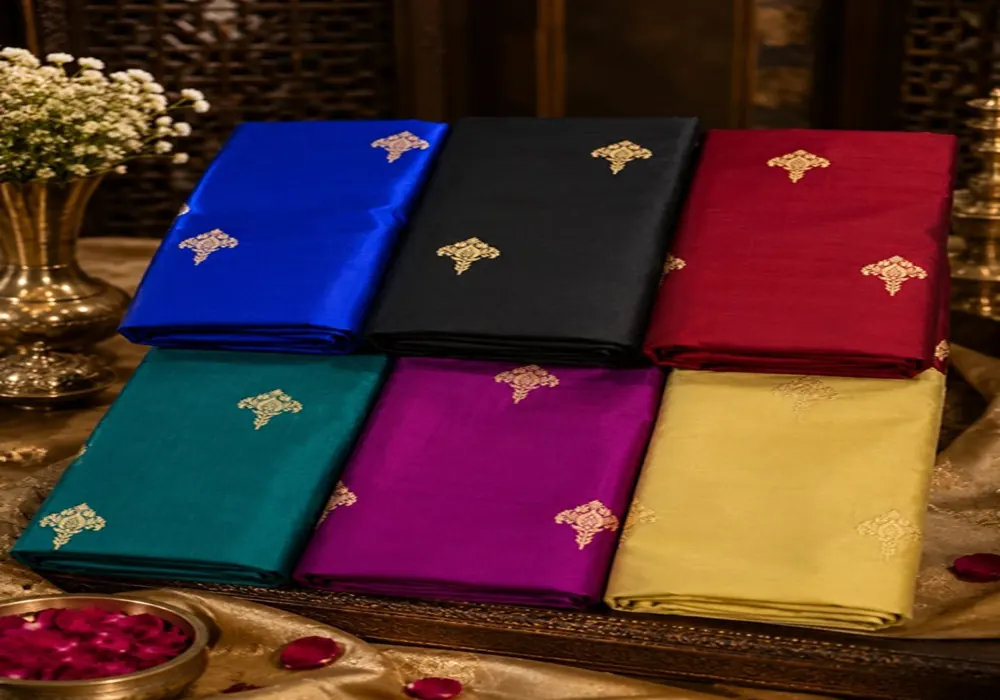
Kimkhab , sometimes spelled Kinkhwab , translates loosely to “little dream” or “fabric of dreams,” a name earned through centuries of association with Mughal and royal courts. It is among the heaviest and most opulent of all Banarasi weaves, woven with such a dense concentration of gold or silver zari that the underlying silk base is almost entirely concealed beneath metallic thread. Historically, Kimkhab was reserved for royal robes, ceremonial drapes, and palace upholstery, valued as much for its weight and texture as its pattern. Motifs typically include shikargah (hunting scenes), elaborate florals, and dense jaal (net) patterns, all rendered in raised, almost three-dimensional relief against the silk ground. Because of its extreme density, Kimkhab is rarely used for full-length flowing garments today. Instead, it appears in short jackets, bridal lehenga panels, sherwani yokes, and luxury home furnishings, where its weight and shine can be showcased without overwhelming the wearer. A Kimkhab jacket layered over a simpler kurta, for instance, instantly elevates an outfit for weddings or formal functions. Producing Kimkhab requires exceptional skill, since the heavy zari content makes the loom harder to operate and increases the risk of thread breakage. Genuine pieces are correspondingly rare, and authentic Kimkhab is increasingly sought after by collectors and bridal couture designers as a near-archival textile. At Choubey Silk, our Kimkhab collection continues this centuries-old tradition, woven by artisans who specialise in handling dense zari work , bringing a textile once reserved for royalty into contemporary luxury menswear and bridal collections.