Shopping Cart

x 2

Light Blue Denim Dress
$24.99
x 3
$114.95
View Cart

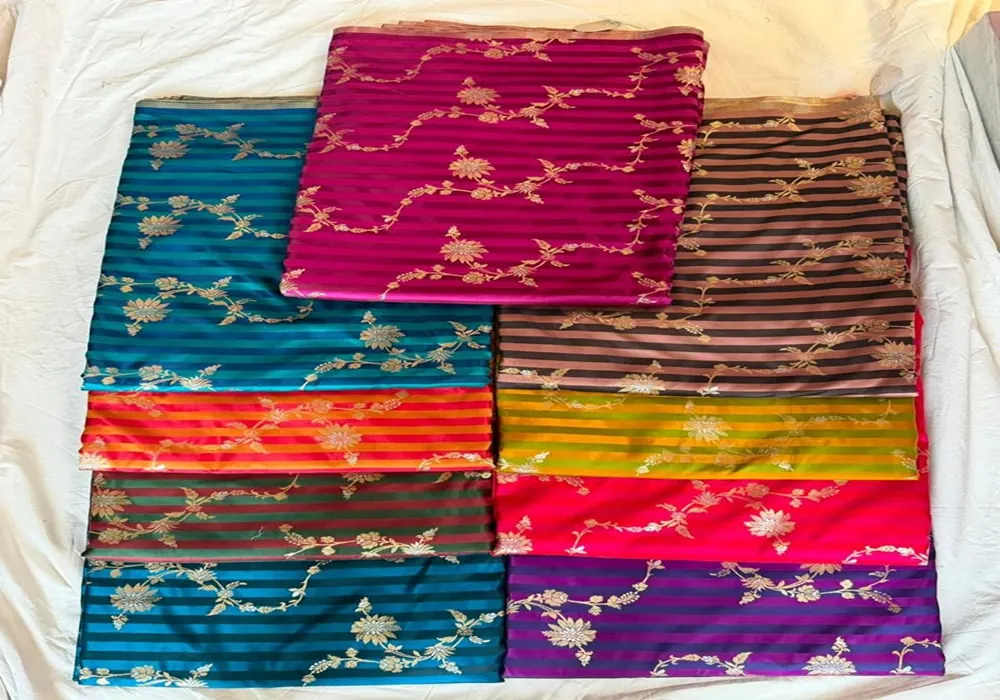
As conscious consumption grows among fashion buyers, more designers, boutiques, and individual customers are asking thoughtful questions about how their silk fabric is sourced , and suppliers should be ready with transparent answers. A key question concerns artisan welfare. Genuine handloom weaving in Varanasi supports thousands of weaver families, many working in home-based or small workshop settings. Ethical sourcing means fair, timely payment for this labor-intensive craft, rather than exploitative middleman arrangements that depress weaver income while inflating retail margins elsewhere in the supply chain. Traceability is another important factor. Buyers increasingly want to know whether their fabric can be traced back to specific weaving communities or workshops, rather than being an anonymous, unverifiable product moving through opaque trading networks. Material sourcing also matters. While mulberry silk remains the most common base for Banarasi weaving, increasing attention is being paid to responsible silk farming practices and the use of genuine versus synthetic zari, which has different environmental implications in terms of metal extraction versus polyester production. Longevity and durability tie into sustainability too , a well-made, genuine silk piece that lasts decades, gets passed down, or is repurposed represents a fundamentally more sustainable purchase than fast-fashion alternatives replaced every season. At Choubey Silk, our decades-long, direct relationships with master weavers in Varanasi are themselves a form of ethical sourcing , supporting consistent livelihoods rather than transactional, one-off purchasing. We’re always open with designers, boutiques, and individual buyers about where and how our fabric is made, because informed, conscious sourcing benefits the entire textile ecosystem, weavers included.