
The Indian men’s ethnic wear industry continues to evolve as traditional craftsmanship meets contemporary fashion. From elegant wedding sherwanis and festive kurtas to designer bandhgalas and sophisticated Indo-Western jackets, premium fabrics play an essential role in creating distinctive men’s fashion collections.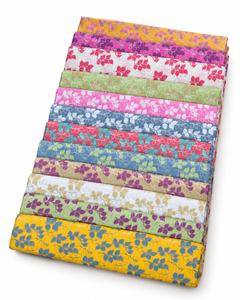
For fabric retailers, boutique owners, garment manufacturers and fashion designers, selecting the right fabric supplier is one of the most important business decisions.
A reliable sourcing relationship is not simply about purchasing attractive textiles. It involves understanding fabric quality, design variety, product suitability, pricing, consistency and customer expectations.
Retailers serving premium ethnic wear customers need fabrics that combine visual appeal with practical garment-making requirements. They also need access to designs that suit different occasions, from traditional weddings to contemporary festive celebrations.
This is where Varanasi’s textile heritage becomes particularly relevant.
Known internationally for its decorative weaving traditions, Varanasi has long been associated with Banarasi silk, jacquard and brocade fabrics.
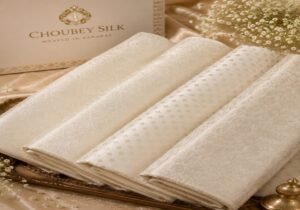
Choubey Silk, based in Varanasi, India, focuses on premium fabrics for men’s kurtas, sherwanis, Indo-Western outfits and designer jackets.
For retailers looking to expand their men’s ethnic wear fabric collections, Choubey Silk offers a specialised sourcing destination rooted in the textile traditions of Banaras.
In this guide, we explore why retailers consider specialist suppliers such as Choubey Silk, what makes Banarasi fabrics valuable for modern menswear and how professional buyers can evaluate premium ethnic wear fabrics for their businesses.
1. Understanding the Growing Market for Men’s Ethnic Wear Fabrics
Men’s ethnic fashion is no longer limited to conventional wedding garments or traditional festive clothing.
Contemporary consumers are exploring a wider variety of designs, colours, textures and silhouettes.
Popular categories include designer kurtas, luxury sherwanis, Indo-Western outfits, bandhgalas, Nehru jackets and contemporary ethnic blazers.
These garments require different types of fabric.
For example, a festive kurta may benefit from lightweight jacquard with subtle woven patterns, while a wedding sherwani may require a more structured brocade construction.
Similarly, a modern bandhgala may look elegant in self-design jacquard, whereas a reception jacket may benefit from decorative metallic detailing.
What This Means for Retailers
Retailers need to develop fabric assortments that address different customer preferences.
Some customers prefer traditional Banarasi motifs and rich ceremonial designs.
Others seek minimalist fabrics with subtle textures and contemporary patterns.
A successful retail collection should offer a balance between heritage-inspired textiles and modern design directions.
For this reason, sourcing from a supplier focused on men’s ethnic wear fabrics can be valuable.
2. Why Specialisation Matters When Choosing a Fabric Supplier
Fabric suppliers may serve many different textile categories, but retailers specialising in men’s ethnic clothing often require more focused product selections.
Men’s ethnic wear involves particular considerations regarding pattern scale, fabric structure, colour combinations and garment construction.
Fabrics Designed for Specific Garments
A fabric suitable for a sherwani may not be ideal for a lightweight kurta.
A richly patterned brocade may work well for a wedding jacket but appear excessive for a minimalist bandhgala.
Specialised fabric selection helps retailers match products with their customers’ intended garments.
Understanding Men’s Fashion Preferences
Menswear collections often require a balance between decorative richness and refined styling.
Subtle geometric patterns, small butas, tonal jacquards and restrained metallic detailing are useful options.
Better Product Assortment Planning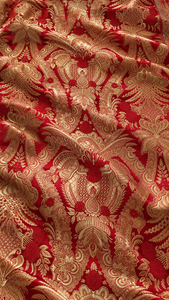
Retailers can organise their fabric collections around garment categories such as kurtas, sherwanis, jackets and Indo-Western clothing.
This approach makes it easier to serve different customer needs.
Choubey Silk’s focus on men’s ethnic wear fabrics is particularly relevant for retailers seeking materials for these specific garment categories.
3. Banarasi Jacquard Fabrics: An Important Category for Retailers
Banarasi jacquard is among the most versatile textile categories for men’s ethnic fashion.
Jacquard weaving allows complex patterns to be incorporated directly into the fabric structure.
Unlike printed designs, jacquard motifs are formed through weaving.
This creates distinctive texture and visual depth.
Why Retailers Stock Banarasi Jacquard
Jacquard fabrics offer several design possibilities.
They can be used for traditional kurtas, modern bandhgalas, designer jackets and wedding sherwanis.
Different constructions provide varying levels of structure, drape and decorative appearance.
Popular Jacquard Designs
Geometric jacquard: Diamonds, hexagons and abstract patterns complement contemporary ethnic clothing.
Self-design jacquard: Subtle tonal motifs create an understated luxury appearance.
Floral jacquard: Decorative floral patterns are suitable for festive and wedding collections.
Striped jacquard: Woven stripes offer a clean and modern aesthetic.
Checked jacquard: Small checks work well for contemporary jackets and kurtas.
Traditional buta jacquard: Repeating woven motifs provide a classic Banarasi appearance.
Retail Applications
Retailers can organise jacquard collections according to garment use.
Lightweight constructions may be suitable for kurtas, while structured fabrics can be considered for jackets and sherwanis.
This allows customers to choose fabrics based on both appearance and practical requirements.
4. Banarasi Brocade: A Premium Option for Wedding Fabric Collections
Brocade is closely associated with decorative weaving and ceremonial fashion.
Traditional Banarasi brocade frequently features elaborate floral motifs, ornamental patterns and metallic-looking yarns.
Its rich appearance makes it particularly relevant for premium men’s wedding clothing.
Why Brocade Is Valuable for Retailers
Brocade can create visual richness through the woven textile itself.
This may reduce the need for extensive additional embroidery.
It also provides a distinctive product category for customers seeking luxury wedding fabrics.
Popular Brocade Applications
Brocade can be used for wedding sherwanis, bandhgalas, Nehru jackets, reception jackets and selected festive kurtas.
Important Design Choices
Retailers may consider stocking traditional floral brocades, small-motif designs, geometric brocades and tonal decorative fabrics.
Popular Colours
Ivory, champagne, antique gold, maroon, wine, navy, emerald and black are versatile choices for premium ethnic fashion.
For customers seeking contemporary wedding clothing, subtle metallic detailing and smaller motifs can provide a refined alternative to heavily decorated fabrics.
5. Silk Fabrics for Premium Men’s Ethnic Wear
Silk remains an important material in luxury fashion.
Its characteristic lustre and refined appearance make it suitable for different traditional and contemporary garments.
However, silk fabrics vary according to yarn type, weave, weight and finishing.
Katan Silk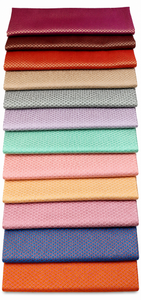
Katan silk is associated with Banarasi textile traditions.
Suitable constructions can be used for premium kurtas and formal ethnic clothing.
Raw Silk
Raw silk offers a distinctive textured appearance that can complement bandhgalas, jackets and contemporary garments.
Moonga Silk
Moonga silk and Moonga-style fabrics may provide textured surfaces suitable for selected ethnic clothing.
Chiniya Silk
Chiniya silk is another textile category associated with Banarasi fabric traditions.
Its suitability depends on the specific composition and construction.
Silk Blends
Silk-blend fabrics can offer alternatives for customers seeking different combinations of appearance, handling and price.
Why Composition Matters
Retailers should confirm whether a fabric is pure silk, a blend or another fibre composition.
Accurate product descriptions help customers make informed decisions and reduce misunderstandings.
For premium retailers, transparency about material composition is an important part of building customer trust.
6. Modern Designs That Help Retailers Build Contemporary Collections
Traditional motifs remain important, but modern men’s fashion also creates demand for contemporary textile designs.
Retailers can develop balanced collections by combining heritage-inspired fabrics with modern patterns.
Geometric Patterns
Diamonds, hexagons, abstract shapes and linear arrangements offer a contemporary appearance.
Self-Design Fabrics
Subtle tonal jacquards are suitable for customers seeking minimalist luxury.
Small Buta Patterns
Traditional motifs in smaller scales can complement fitted jackets and modern kurtas.
Stripes and Checks
Woven stripes and checks offer versatile alternatives to elaborate floral designs.
Antique Metallic Detailing
Copper and muted gold accents can create decorative richness without excessive shine.
Contemporary Colours
Sage green, powder blue, mocha, charcoal, champagne and muted pastels can complement traditional colours such as maroon, navy and emerald.
For retailers, offering both traditional and contemporary designs helps create a broader product assortment.
7. Why Varanasi Is an Important Destination for Ethnic Wear Fabric Sourcing
Varanasi, also known as Banaras, has a long-standing association with textile craftsmanship.
Its weaving traditions have contributed to the development of decorative silk, jacquard and brocade fabrics.
Established Textile Heritage
Banarasi fabrics are recognised for intricate woven patterns and rich ornamental designs.
Diverse Design Vocabulary
Traditional floral motifs, butas, jaal patterns, geometric arrangements and decorative borders offer extensive possibilities for garment design.
Relevance to Modern Fashion
Banarasi-inspired fabrics can be adapted for contemporary kurtas, jackets, bandhgalas and Indo-Western outfits.
Opportunities for Professional Buyers
Retailers, boutiques and garment manufacturers can explore fabrics suitable for different garment categories and price segments.
Importance of Supplier Evaluation
Although Varanasi is an established textile centre, buyers should still evaluate individual suppliers according to product quality, specifications and commercial terms.
For retailers searching for a men’s ethnic wear fabric supplier in Varanasi, selecting a supplier with relevant product specialisation is an important consideration.
8. Choubey Silk’s Focus on Premium Men’s Fashion Fabrics
One of the key reasons retailers may consider Choubey Silk is its focus on fabrics for men’s ethnic and contemporary clothing.
Rather than treating menswear as a secondary category, the company’s product positioning centres on fabrics suitable for men’s fashion.
Designer Kurta Fabrics
Retailers can explore jacquard, silk and textured fabrics for traditional and contemporary kurtas.
Sherwani Fabrics
Decorative brocades and structured jacquards are relevant for premium wedding sherwanis.
Indo-Western Fabrics
Geometric jacquard, tonal brocade and textured fabrics can complement contemporary fusion garments.
Designer Jacket Fabrics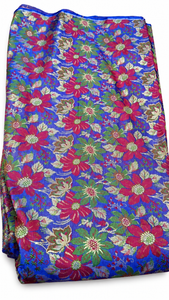
Suitable jacquard, brocade and silk constructions can be used for Nehru jackets, bandhgalas and formal ethnic outerwear.
Why This Matters for Retailers
A supplier focused on these garment categories can be a relevant sourcing option for businesses specialising in men’s ethnic fashion.
Buyers should discuss current product availability, specifications and order requirements directly with Choubey Silk.
9. Building a Profitable Men’s Ethnic Wear Fabric Collection
Retail profitability depends on several factors, including product selection, purchasing costs, inventory management and customer demand.
A well-planned fabric assortment can help retailers serve different customer groups.
Everyday and Semi-Formal Ethnic Fabrics
Subtle jacquards and textured fabrics can be suitable for customers seeking versatile kurtas.
Festive Fabric Collections
Decorative jacquards, silk fabrics and selected brocades can be used for Diwali and other celebrations.
Wedding Fabric Collections
Premium brocades and structured jacquards are suitable for sherwanis, bandhgalas and ceremonial jackets.
Contemporary Indo-Western Collections
Geometric fabrics and tonal designs can appeal to customers seeking modern silhouettes.
Premium Luxury Collections
Distinctive woven patterns and carefully selected materials can support higher-value garment categories.
Retailers should evaluate local customer demand before determining the ideal balance between these categories.
10. How Fabric Quality Influences Retail Customer Satisfaction
Fabric quality plays a major role in customer experience.
A fabric that looks attractive but performs poorly during stitching or wear can create dissatisfaction.
Weave Consistency
The fabric should be examined for unwanted irregularities and visible defects.
Pattern Clarity
Woven motifs should appear consistent with the intended design.
Colour Consistency
Shade variation can create difficulties when customers require multiple lengths of the same fabric.
Fabric Width
Usable width affects garment consumption and customer purchasing decisions.
Shrinkage
Unexpected shrinkage can affect garment measurements.
Seam Performance
Some decorative woven fabrics may require special care during cutting and stitching.
Care Requirements
Customers should receive appropriate guidance about cleaning and maintenance.
For retailers, providing accurate fabric information is an important part of delivering a professional buying experience.
11. Why Design Variety Matters for Fabric Retailers
Different customers have different expectations.
Some prefer traditional wedding fabrics with elaborate motifs.
Others seek minimalist textiles suitable for modern ethnic clothing.
Traditional Customers
Floral brocades, ornamental butas and heritage-inspired jacquards may be suitable.
Contemporary Customers
Geometric patterns, self-design jacquards and muted colours offer modern alternatives.
Wedding Buyers
Rich brocade, decorative jacquard and premium silk fabrics can provide ceremonial options.
Festive Buyers
Lightweight jacquard and elegant textured fabrics can offer a balance between comfort and style.
Designer Boutiques
Distinctive woven patterns can help boutiques develop differentiated collections.
A carefully planned assortment allows retailers to address these varied requirements.
12. Wholesale Fabric Sourcing: What Retailers Should Check
Retailers purchasing fabric in larger quantities should evaluate both product quality and commercial requirements.
Fabric Composition
Confirm the fibres used in the textile.
Usable Width
Verify the actual width available for garment cutting.
Fabric Weight
Ensure the construction suits the intended garment.
Design Repeat
Large patterns may require additional fabric for matching.
Colour Availability
Check which colours are available for each design.
Minimum Order Quantity
MOQ requirements may vary by fabric and colour.
Sampling
Request samples before confirming bulk orders.
Production Lead Time
Discuss realistic manufacturing and dispatch schedules.
Quality Tolerances
Agree on acceptable shade variation, width tolerance and visible defects.
Commercial Terms
Clarify pricing, payment arrangements, packaging and shipping.
These steps help retailers make informed purchasing decisions and reduce avoidable sourcing problems.
13. Retail Fabric Selection for Different Indian Wedding Functions
Indian weddings involve multiple ceremonies, each with different clothing expectations.
Retailers can organise their collections around these occasions.
Engagement Ceremony
Self-design jacquard and subtle brocade can provide elegant formal options.
Sangeet
Geometric jacquard and decorative brocade may be suitable for festive jackets.
Wedding Ceremony
Ivory, champagne and antique gold brocades are relevant for traditional sherwanis.
Reception
Navy, charcoal, black and wine fabrics can create sophisticated evening garments.
Pre-Wedding Celebrations
Lightweight jacquard and textured silk fabrics may be suitable for comfortable festive kurtas.
Organising fabrics by occasion can help customers identify appropriate options more easily.
14. Fabric Retailing Opportunities Beyond Wedding Season
Although weddings are important for men’s ethnic fashion, retailers can also develop collections for other occasions.
Diwali
Festive kurtas and jackets create opportunities for decorative jacquard and silk fabrics.
Eid
Elegant kurta fabrics and refined textures can be relevant for festive clothing.
Family Celebrations
Subtle jacquards and contemporary colours can suit formal gatherings.
Cultural Events
Traditional Banarasi motifs may appeal to customers seeking heritage-inspired clothing.
Formal Ethnic Occasions
Bandhgala and Indo-Western fabrics can provide alternatives to conventional Western formalwear.
A diversified assortment can help retailers serve customers across different seasons and occasions.
15. Choubey Silk for Fashion Designers and Garment Manufacturers
Retailers are not the only buyers who require premium ethnic wear fabrics.
Fashion designers, garment manufacturers and boutique labels also need textiles suitable for specific garment designs.
Designer Kurta Collections
Jacquard, silk and textured fabrics can provide different levels of decoration and comfort.
Luxury Sherwani Collections
Brocade and structured jacquard can complement ceremonial silhouettes.
Contemporary Indo-Western Clothing
Geometric fabrics and subtle woven patterns can create modern fashion collections.
Premium Jacket Collections
Nehru jackets and bandhgalas can incorporate decorative brocade and self-design jacquard.
Important Production Considerations
Professional buyers should evaluate fabric composition, weight, width, motif repeat, shade consistency and finishing.
These factors influence garment appearance, cutting efficiency and production quality.
Choubey Silk’s focus on men’s fashion fabrics makes it a relevant supplier to consider for these applications.
16. International Sourcing Opportunities for Men’s Ethnic Wear Fabrics
Indian ethnic clothing is worn and appreciated across many international markets.
Weddings, festivals and cultural celebrations create opportunities for premium men’s fashion.
United States
Indian wedding clothing and festive garments provide potential applications for Banarasi-inspired textiles.
United Kingdom and Europe
Traditional and contemporary men’s ethnic clothing can serve customers seeking occasion wear.
United Arab Emirates and the Middle East
Premium ethnic fashion and ceremonial garments offer opportunities for decorative fabrics.
Australia
Wedding and festive collections provide applications for luxury kurtas, sherwanis and Indo-Western garments.
Considerations for International Buyers
Buyers should verify product specifications, export documentation, shipping terms, applicable import regulations and commercial arrangements.
International sourcing should also account for climate, customer preferences and garment construction requirements.
17. Why Retailers Should Consider Choubey Silk as a Fabric Sourcing Partner
Selecting a fabric supplier requires balancing product relevance, quality requirements and commercial considerations.
Choubey Silk’s positioning offers several reasons for retailers to explore its collections.
Specialisation in Men’s Ethnic Wear
The company’s focus includes fabrics for kurtas, sherwanis, Indo-Western outfits and jackets.
Connection to Varanasi’s Textile Heritage
Its location in Varanasi connects the business with a recognised centre of decorative textile traditions.
Relevance of Banarasi Jacquard and Brocade
These fabrics offer design possibilities for traditional and contemporary men’s clothing.
Suitability for Different Buyer Categories
Retailers, boutiques, designers and garment manufacturers may require fabrics for different garment applications.
Opportunities for Collection Development
A combination of traditional motifs, contemporary patterns and varied fabric constructions can support differentiated menswear collections.
Direct Product Enquiries
Buyers can contact Choubey Silk to discuss current designs, specifications, availability and purchasing requirements.
These considerations make Choubey Silk worth evaluating for businesses seeking premium men’s ethnic wear fabrics from Varanasi.
18. How Retailers Can Improve Their Fabric Sales
Sourcing the right fabric is only one part of successful retailing.
Product presentation and customer guidance are equally important.
Organise Fabrics by Garment Category
Separate fabrics suitable for kurtas, sherwanis, jackets and Indo-Western outfits.
Display Fabric Composition Clearly
Accurate material information helps customers compare products.
Use High-Quality Photography
Close-up images can highlight woven patterns and texture.
Explain Garment Applications
Customers benefit from understanding which fabrics are suitable for specific clothing styles.
Offer Coordinated Colour Options
A carefully selected colour range can make purchasing decisions easier.
Provide Fabric Care Information
Appropriate care guidance helps customers maintain their garments.
Plan Seasonal Collections
Wedding and festive assortments should be developed according to expected customer demand.
These practices can improve product presentation and customer confidence.